Preschool Readiness Checklist PDF: A Comprehensive Guide
Navigating YouTube’s features and creator tools—like YouTube Studio—highlights the importance of preparation and understanding platforms․ A readiness checklist ensures a smooth transition․
Understanding Preschool Readiness
Preschool readiness isn’t about academic prowess; it’s a holistic development encompassing social, emotional, and cognitive skills․ Like navigating YouTube’s diverse content—from popular videos to creator studios—children need foundational skills to thrive in a new environment․
This involves the ability to separate from caregivers, follow simple instructions, and interact positively with peers․ Just as YouTube recommends content based on user preferences, preschools tailor learning to individual needs․ Readiness also includes emerging literacy and numeracy skills, alongside gross and fine motor development․
A preschool readiness checklist PDF helps assess these areas, mirroring how YouTube Studio helps creators manage their online presence․ It’s about preparing a child for success, not expecting perfection․
Why Use a Preschool Readiness Checklist?
A preschool readiness checklist PDF provides a structured way to evaluate a child’s developmental milestones, similar to how YouTube Studio organizes creator tools․ It offers clarity for parents and educators, identifying strengths and areas needing support before the preschool experience begins․
This proactive approach minimizes potential anxieties for both child and parent, mirroring the ease of navigating YouTube’s recommended content․ Checklists facilitate open communication between home and school, ensuring a consistent approach to development․
Furthermore, they help determine if a child might benefit from additional preparation, much like utilizing YouTube Premium for an enhanced viewing experience․ A checklist isn’t a pass/fail test, but a guide for fostering growth․
Key Domains of Preschool Readiness
Just as YouTube categorizes content into sections like “Music” and “Gaming,” preschool readiness is best understood through distinct developmental domains․ These areas encompass the skills children typically develop before starting formal schooling, offering a holistic view of their preparedness․
Key domains include academic skills (letter/number recognition), social-emotional development (sharing, following instructions), language and literacy (speaking, understanding stories), gross motor skills (running, jumping), and fine motor skills (holding a pencil, using scissors)․
Evaluating these domains, similar to exploring YouTube’s diverse features, provides a comprehensive assessment․ A checklist PDF helps pinpoint strengths and areas where focused support, like utilizing YouTube tutorials, can be beneficial․
Academic Skills
Similar to navigating YouTube’s content categories, foundational academic skills are crucial for preschool success․ These aren’t about formal teaching, but rather early exposure and emerging abilities․
A preschool readiness checklist assesses a child’s progress in letter recognition – can they identify some letters? Number recognition – do they know a few numbers? And shape/color identification – can they name basic shapes and colors? These skills build a base for future learning․
Think of it like discovering new channels on YouTube; each skill unlocks further exploration․ A PDF checklist provides a structured way to observe and document these early academic milestones․
a․ Letter Recognition
Just as YouTube’s recommendation algorithm suggests videos based on viewing history, letter recognition builds upon early exposure․ A preschool readiness checklist assesses if a child can identify a few letters, typically uppercase․
This isn’t about mastery of the entire alphabet, but recognizing letters within their name or in familiar words․ Observing a child’s ability to point out letters in books or during play provides valuable insight․
A PDF checklist offers a space to note which letters a child recognizes, tracking progress over time․ Like exploring different YouTube channels, each identified letter represents a step forward in literacy development․
b․ Number Recognition
Similar to YouTube’s analytics tracking video views, number recognition assesses a foundational skill․ A preschool readiness checklist evaluates a child’s ability to identify numbers, usually from 1 to 10;
This doesn’t require counting proficiency, but recognizing the visual representation of each number․ Observing if a child can point to a specific number when asked, or identify numbers on everyday objects, is key․
A PDF checklist provides a structured way to document which numbers a child knows, monitoring growth․ Just as YouTube Studio helps creators manage their content, this checklist aids in tracking early math skills․
c․ Shape and Color Identification
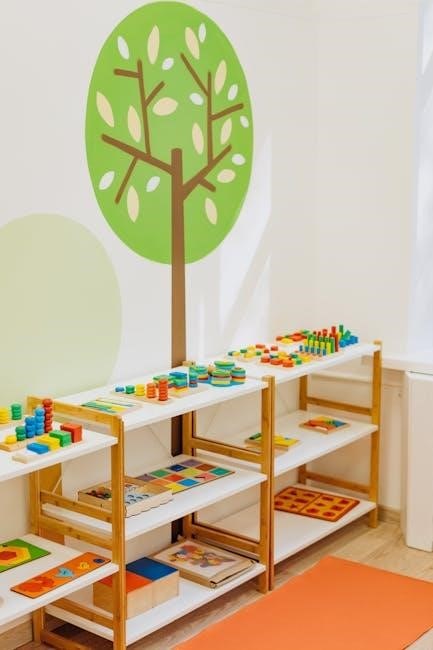
Much like navigating YouTube’s diverse content categories, recognizing shapes and colors is a fundamental skill․ A preschool readiness checklist assesses a child’s ability to name basic shapes – circle, square, triangle, rectangle – and common colors like red, blue, yellow, and green․
Observation involves asking the child to identify shapes in their environment or point to a specific color․ A PDF checklist offers a systematic record of mastered shapes and colors․
This skill builds visual discrimination, crucial for future learning; Similar to how YouTube recommends videos based on viewing history, recognizing patterns aids cognitive development․
Social-Emotional Development
Just as a creator on YouTube needs to interact with their audience, a child must navigate social interactions․ A preschool readiness checklist evaluates a child’s emotional maturity and social skills, vital for a positive classroom experience․
This section assesses abilities like managing emotions, showing empathy, and interacting with peers․ Observing a child’s behavior during playdates or group activities provides valuable insights․
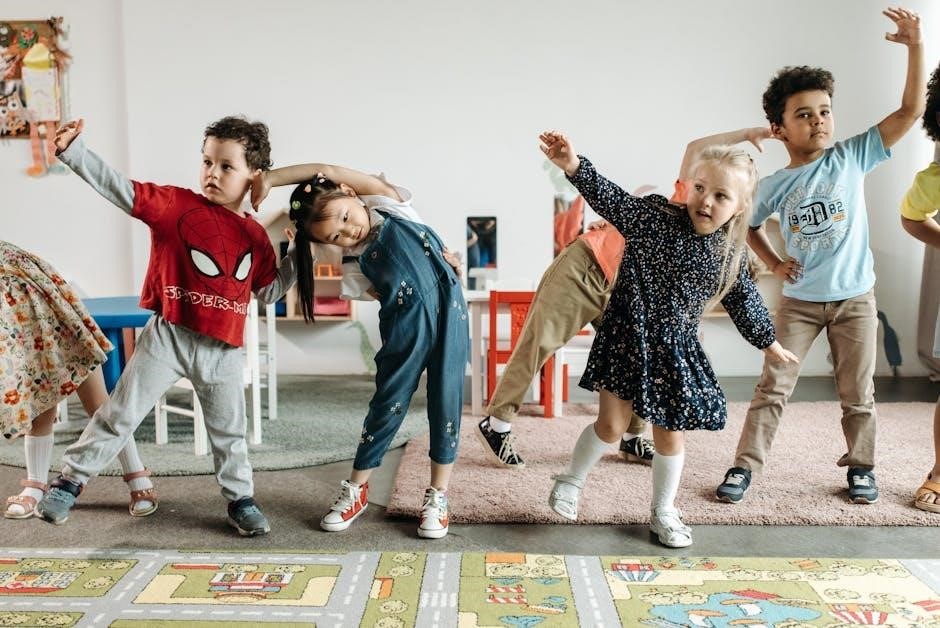
A PDF checklist helps track progress in areas like self-regulation and cooperation․ Like YouTube Studio assisting creators, fostering these skills empowers children to thrive socially and emotionally․
a․ Separating from Parents/Caregivers
Similar to a YouTube creator launching their channel, a child faces a transition when starting preschool—separating from familiar caregivers․ This checklist item assesses a child’s ability to handle this separation with relative ease․
Observe how the child reacts when parents prepare to leave, and during brief separations․ Does the child display significant distress, or can they engage in activities independently? A PDF checklist provides a structured way to document these observations․
Successful separation indicates emotional readiness and trust, mirroring a creator’s confidence in sharing their content․ Gradual practice can build this skill;
b․ Following Simple Instructions
Just as understanding YouTube’s platform guidelines is crucial for creators, a child’s ability to follow instructions is vital for preschool success․ This skill demonstrates attention, listening comprehension, and a willingness to cooperate․

A preschool readiness checklist PDF should include assessing if the child can follow one- and two-step directions (e․g․, “Please put the block on the table,” or “Get your shoes and coat”)․ Observe consistency and accuracy․
Difficulty following instructions may indicate a need for further development․ Like managing a YouTube channel, preschool requires understanding and responding to requests․
c․ Sharing and Taking Turns
Similar to how YouTube creators collaborate and build community, preschoolers must learn to interact positively with peers․ Sharing and taking turns are foundational social skills, demonstrating empathy and respect for others․
A comprehensive preschool readiness checklist PDF will assess a child’s ability to share toys with minimal prompting and wait their turn in games or activities․ Observe their reactions when asked to share or wait․
Challenges in this area can lead to conflicts․ Just as consistent content posting builds a YouTube audience, consistent practice fosters positive social interactions․
Language and Literacy Skills
Much like a YouTube creator needs to communicate effectively with their audience, a preschooler’s language skills are vital for learning and social interaction․ A readiness checklist PDF assesses both expressive and receptive language abilities․
This section evaluates a child’s ability to articulate thoughts, understand spoken directions, and engage with stories․ Can they form simple sentences? Do they comprehend questions? Observing these skills provides valuable insight․
Strong language foundations, similar to consistent video uploads, build confidence and open doors to further learning․ Early literacy skills are predictors of future academic success․
a․ Expressive Language (Speaking)
Just as a YouTube creator relies on clear speech to connect with viewers, a child’s expressive language is key to communication․ This checklist component assesses a child’s ability to verbally express needs, thoughts, and ideas․
Observe if the child uses sentences of increasing length and complexity․ Can they retell a simple event? Do they attempt to engage in conversations, even if briefly? Note their pronunciation and clarity․
A robust vocabulary and the ability to articulate feelings are crucial․ Like building a YouTube channel, consistent practice strengthens expressive language skills, fostering confidence and social interaction․
b․ Receptive Language (Understanding)
Similar to a YouTube user comprehending video content, a child’s receptive language skills are fundamental for learning․ This area of the checklist focuses on a child’s ability to understand what is being said to them․
Assess if the child follows two-step instructions (“Pick up the block and put it in the box”)․ Do they understand simple questions (“What color is this?”)? Observe their response to stories – can they identify characters or recall basic plot points?
Strong receptive language forms the foundation for all other learning․ Just as understanding YouTube’s interface is vital, comprehension is key to a child’s academic and social success․
c․ Story Comprehension
Much like a YouTube viewer following a narrative in a video, story comprehension is a crucial preschool skill․ This checklist component assesses a child’s ability to understand and retain information from stories․
After reading a short story, ask simple questions about the characters, setting, and plot․ Can the child retell the story in their own words? Do they understand the sequence of events? Observe their engagement – are they attentive and asking questions?
Developing story comprehension fosters critical thinking and language skills, mirroring the analytical skills needed to navigate complex online content․
Gross Motor Skills
Similar to a YouTube creator needing physical stamina for filming, strong gross motor skills are vital for preschool success․ This section of the checklist focuses on a child’s large muscle movements and coordination․
Observe if the child can confidently run, jump, climb, and maintain balance․ Can they throw and catch a ball, even if imperfectly? These skills aren’t just about physical activity; they contribute to spatial awareness and body control․
A child’s ability to navigate their environment physically parallels their ability to explore and interact with the world around them, much like exploring YouTube’s diverse content․
a․ Running and Jumping
Just as a YouTube streamer might quickly move around during a broadcast, running and jumping demonstrate a child’s developing coordination and strength․ Observe if your child can run without frequent stumbling, showing a basic rhythm and balance․
Jumping skills are also key – can they jump with both feet, even a small distance? Do they attempt to jump over small objects? These actions indicate developing leg strength and spatial awareness․
These skills aren’t about athletic prowess, but foundational movement patterns essential for playground activities and overall physical confidence, mirroring a creator’s on-screen presence․
b․ Climbing and Balancing
Similar to a YouTube creator navigating the platform’s features, climbing and balancing demonstrate a child’s problem-solving skills and physical control․ Observe their ability to climb on age-appropriate structures, like low playground equipment, using alternating feet․
Can they maintain balance while walking along a line or a low beam? This isn’t about reaching the top quickly, but about controlled movements and assessing risks․
These skills build core strength, coordination, and confidence․ A child comfortable with climbing and balancing is more likely to engage in active play and explore their environment safely, much like a creator exploring new content․
c․ Throwing and Catching
Just as a YouTube creator ‘sends’ content to viewers, throwing and catching skills demonstrate a child’s developing hand-eye coordination and spatial awareness․ Observe their ability to throw a ball underhand, aiming for a target, and attempting to catch a gently tossed ball․
Accuracy isn’t the primary focus; it’s the attempt and the developing coordination․ Can they track the ball’s trajectory with their eyes? This skill builds confidence and prepares them for sports and other physical activities․
Successful throwing and catching contribute to overall motor skill development, mirroring a creator’s skill in delivering engaging content․
Fine Motor Skills
Similar to a YouTube creator meticulously editing videos, fine motor skills require precision and control․ These skills are crucial for tasks like writing, drawing, and self-help skills like buttoning clothes;
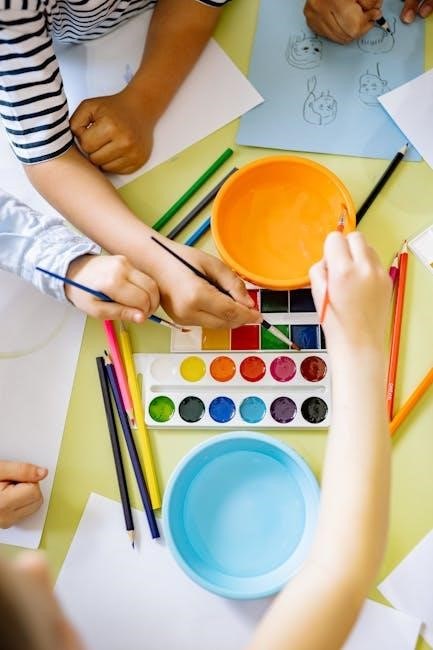
Observe your child’s ability to manipulate small objects․ Can they grasp and control a pencil or crayon with a tripod grip? Are they beginning to use scissors safely and effectively, cutting along a line (even imperfectly)?
Building with blocks demonstrates spatial reasoning and dexterity․ These seemingly simple activities lay the foundation for academic success and independence, much like a well-managed YouTube channel․
a․ Holding a Pencil/Crayon
Just as a YouTube creator refines their editing technique, a child develops their pencil grasp over time․ Observe how your child holds a pencil or crayon – are they using a whole-hand grasp, or progressing towards a more refined tripod grasp (using thumb, index, and middle finger)?
A functional grasp isn’t necessarily perfect; look for control and comfort․ Can they make marks on paper? Do they attempt to copy simple shapes? Encourage experimentation with different grips, but gently guide towards a tripod grasp․
This skill builds hand strength and prepares them for writing, mirroring the dedication needed to build a successful online presence․
b․ Using Scissors
Similar to a YouTube editor precisely cutting footage, a preschooler learns to manipulate scissors with increasing accuracy․ Observe if your child can hold scissors correctly (thumb in one hole, fingers in the other) and make a snip․
Initially, cutting along a straight line is a good starting point․ Progress to cutting simple shapes․ Safety is paramount – always supervise! Look for controlled movements, not just random snipping․
This skill develops hand-eye coordination and fine motor control, essential for various tasks․ It’s a foundational skill, much like mastering the tools of content creation․
c․ Building with Blocks
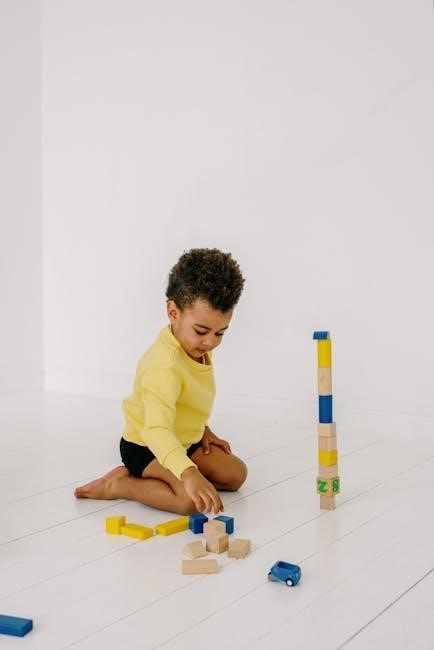
Just as a YouTube creator builds a channel with diverse content, a child constructs structures with blocks, fostering creativity and problem-solving skills․ Observe if your child can stack blocks to create a tower, or build simple structures like a house or a bridge․
Assess their ability to match shapes and colors while building․ Can they follow a simple plan, or are they building spontaneously? This activity enhances spatial reasoning and hand-eye coordination․
Building with blocks is a fantastic way to encourage imaginative play and develop early engineering concepts – a foundational skill for future learning․
Creating or Finding a Preschool Readiness Checklist PDF
Similar to a YouTube creator curating content for their audience, parents can either create a personalized checklist or locate pre-made resources in PDF format․ Many educational websites and preschools offer downloadable checklists covering essential skills․
When creating your own, tailor it to your child’s individual needs and the expectations of local preschools․ Consider including sections for academic, social-emotional, language, and motor skills․

Ensure the PDF is easily accessible for observation documentation․ A well-structured checklist, like a well-organized YouTube channel, provides clarity and focus․
Free Printable Preschool Readiness Checklists (Resources)
Just as YouTube offers diverse content, numerous online resources provide free printable preschool readiness checklists in PDF format․ Websites like “Pre-K Pages,” “All Kids Network,” and various educational blogs host downloadable checklists․
These resources often categorize skills into domains – academic, social-emotional, physical – mirroring the organization found within YouTube Studio for channel management․
Pinterest is also a valuable source, compiling checklists from various creators․ Remember to evaluate the source’s credibility and ensure the checklist aligns with your child’s needs and local preschool standards․
Using the Checklist: Observation and Documentation
Similar to how YouTube Studio tracks channel analytics, utilizing a preschool readiness checklist requires consistent observation and documentation․ Don’t treat it as a one-time assessment; observe your child in natural settings – playtime, interactions with peers, and daily routines․
Record specific examples of behaviors, rather than simply checking a box․ Note dates and contexts․ This detailed documentation, like YouTube’s content ID system, provides a clearer picture of progress․
A simple notebook or a digital document can serve as your record․ This information is invaluable when discussing your child’s readiness with educators․
What if My Child Isn’t Meeting All the Benchmarks?
Just as YouTube allows creators to refine their content based on analytics, remember a checklist isn’t a rigid pass/fail test․ Development varies significantly among children; missing a few benchmarks doesn’t automatically indicate a problem․
Focus on overall progress and identify areas needing support․ Consider engaging in targeted activities to nurture those skills․ Consult with your pediatrician or an early childhood specialist for personalized guidance․
Like utilizing YouTube Premium features, additional support can be beneficial․ Early intervention can make a significant difference, and a collaborative approach is key․