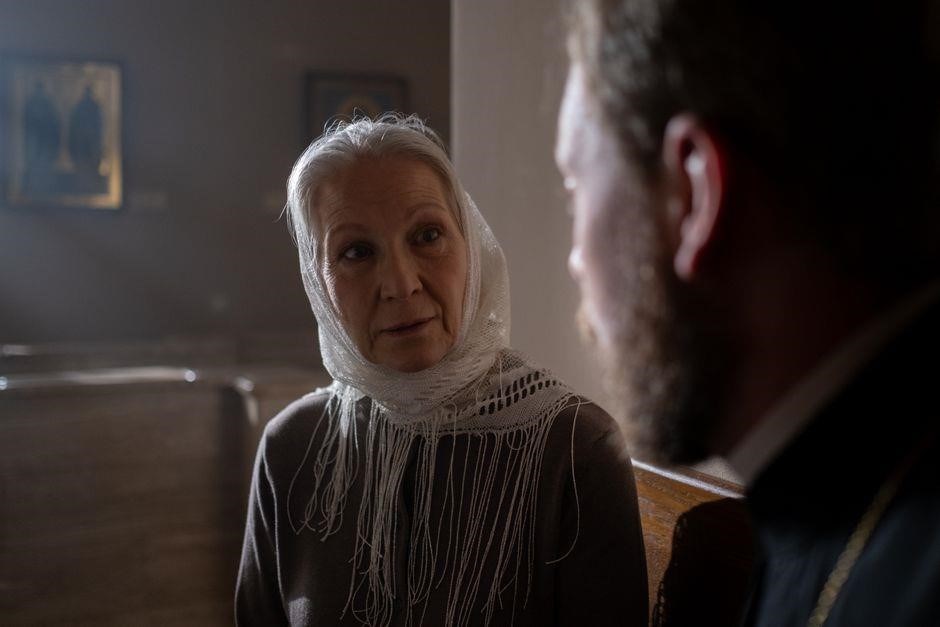
The Role of Confession in Orthodox Spiritual Life
Confession in Orthodoxy is a sacramental dialogue that restores communion, heals sin, and deepens humility. Rooted in Scripture and Fathers, it invites sincere repentance, confession of faults, and the priest’s absolution, guiding the soul toward divine grace. It strengthens bonds, guiding believers toward unity
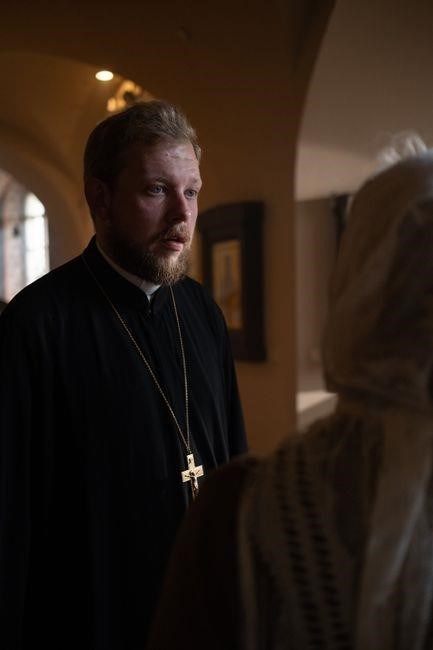
1.1 Scriptural and Patristic Foundations

Scriptural anchors for confession arise in the New Testament, where Paul exhorts believers to “confess our sins” (1 Tim 1:15) and the Lord’s Prayer includes “forgive us our debts” (Matt 6:12). The Gospels record Jesus’ instruction: “If you confess your sins, you will be forgiven” (Matt 9:2). Early Fathers, St. John the Baptist’s call to repentance (John 3:3) and St. Paul’s emphasis on confession before the Lord (1 Cor 11:28) echo in the homilies of St. Gregory of Nyssa and St. John Kallis. The Cappadocian Fathers—St. Basil the Great, St. Gregory of Nazianzus, and St. John Kallis—articulate confession as purification, aligning the soul with divine will. The 4th‑century Nicene Creed affirms the Holy Spirit’s role in “sanctifying” the faithful, underscoring confession’s sacramental nature. St. Cyprian portrays confession as a “removal of the veil” separating man from God. St. John Kallis, in “On Repentance,” stresses confession as a “bridge” between sin and divine grace. These sources establish confession as vital for restoring communion and fostering spiritual growth in Orthodox tradition. Metanoia—true repentance—is central, seen in St. Cyril of Jerusalem and St. Theodore of Mopsuestia. The 7th‑century Council of Constantinople (680‑681) reaffirmed confession’s importance, and the 11th‑century Decree of the Synod of Jerusalem codified the rite. Collectively, these sources underscore confession’s role as a conduit of divine mercy, a necessary step for healing, and a means of aligning the believer with the Church’s communal life. Thus, confession remains an enduring practice that bridges human frailty and divine grace, inviting continual renewal. Its rhythm echoes ancient hymns, resonating through centuries of faith.
Confession is not merely a ritual but a transformative encounter with the divine. In the Orthodox tradition, it is viewed as a conduit through which the believer’s brokenness is met with divine mercy, and through which the soul is cleansed of the stains of sin. The act of confessing, coupled with the priest’s absolution, initiates a process of inner renewal that is reflected in the believer’s daily life. It encourages a continual awareness of one’s spiritual state, fostering humility, gratitude, and a deeper commitment to the teachings of Christ. By engaging in confession, believers participate in a communal act that reaffirms their belonging to the Body of Christ, strengthens their resolve to live righteously, and nurtures a lifelong relationship with God. This sacramental practice is therefore central to the spiritual journey of every Orthodox Christian, guiding them toward a fuller communion with the divine and a more authentic expression of faith.

This practice invites believers to a journey of humility and grace in heart for us?
Thus, confession remains a vital lifeline, sustaining the faithful through trials and joys alike!
1.2 Theological Significance of Repentance
In Orthodox theology, repentance (metanoia) is the turning of the heart toward God, a transformative act that restores communion and initiates healing. It is rooted in the biblical exhortation to “confess our sins” (1 Tim 1:15) and the command to “turn back” (Matt 4:17). The Fathers describe repentance as the “bridge” between sin and divine grace, emphasizing that true repentance is both a confession of guilt and a commitment to change. St. Gregory of Nyssa speaks of repentance as the “removal of the veil” that separates man from God, while St. John Kallis stresses that repentance must be accompanied by humility, a sincere desire for purification, and a willingness to perform penance. The theological significance lies in the fact that repentance is not merely an act of contrition but a profound reorientation of the soul toward the divine will. It opens the heart to the Holy Spirit’s sanctifying work, allowing the believer to participate in theosis—union with God. The sacramental practice of confession, guided by a priest, serves as a tangible expression of this inner turning, providing divine grace that heals the soul, restores the believer’s relationship with the Church, and strengthens the commitment to live in accordance with Christ’s teachings. Repentance, therefore, is central to the Orthodox spiritual journey, embodying the dynamic interplay between human freedom, divine mercy, and the ongoing process of becoming more like Christ. The act of confession also reflects the communal dimension of repentance, as the priest acts as a mediator, echoing the Church’s role as a living body that supports each member in the pursuit of holiness. By engaging in repentance, the faithful recognize their dependence on God’s mercy, cultivate humility, and renew their dedication to the path of sanctification, thereby advancing toward the ultimate goal of divine union. Moreover, repentance is viewed as a continual practice, not a one‑time event; the believer is called to daily self‑examination, to seek forgiveness for new transgressions, and to grow in virtue. This ongoing process is essential for the soul’s purification and for maintaining the integrity of the Church’s sacramental life. In liturgical terms, the confession rite is structured to reflect the stages of repentance: the confession of sins, the acknowledgment of their gravity, the expression of sorrow, and the acceptance of divine absolution. Each stage is accompanied by prayers that invoke the Holy Spirit’s guidance, reinforcing the transformative power of repentance. The priest’s role is to provide pastoral care, to guide the penitent toward appropriate penances, and to administer the sacrament of absolution, thereby ensuring that repentance leads to genuine spiritual renewal. Thus, repentance is the cornerstone of Orthodox spirituality, sustaining the believer’s journey toward holiness and communion with God.
1.3 Confession as a Path to Atonement
In Orthodox theology, confession is the sacramental conduit through which the soul encounters divine mercy necessary for atonement. Rooted in the early Church’s understanding that sin separates man from God, reconciliation requires contrition and the priest’s mediation. The rite, modeled after the apostles’ confession, involves acknowledging transgression, expressing sorrow, and committing to change. The priest, acting as the living voice of the Church, offers absolution, restoring communion with the Body of Christ. This forgiveness is a real, transformative encounter with the Holy Spirit that heals wounds of sin and restores the soul’s dignity. Confession bridges daily life with sacramental grace, embodying divine justice tempered by mercy. By confessing, the faithful participate in Christ’s redemptive work, receiving the sacrificial love that flows into the world. The penitent often receives a specific penance—prayer, fasting, or charity—to signify the offense’s seriousness and aid moral restoration. Through confession, the soul is cleansed, enabling the believer to participate in communal daily worship and life of the Church!
Confession also serves as a continual reminder that the journey toward holiness is never complete. Each confession invites a fresh examination of one’s heart, prompting the believer to seek God’s guidance in all actions. The priest’s counsel helps identify patterns of sin, fostering a deeper understanding of how personal choices affect the wider community and fosters a deeper sense of community and shared purpose.!!
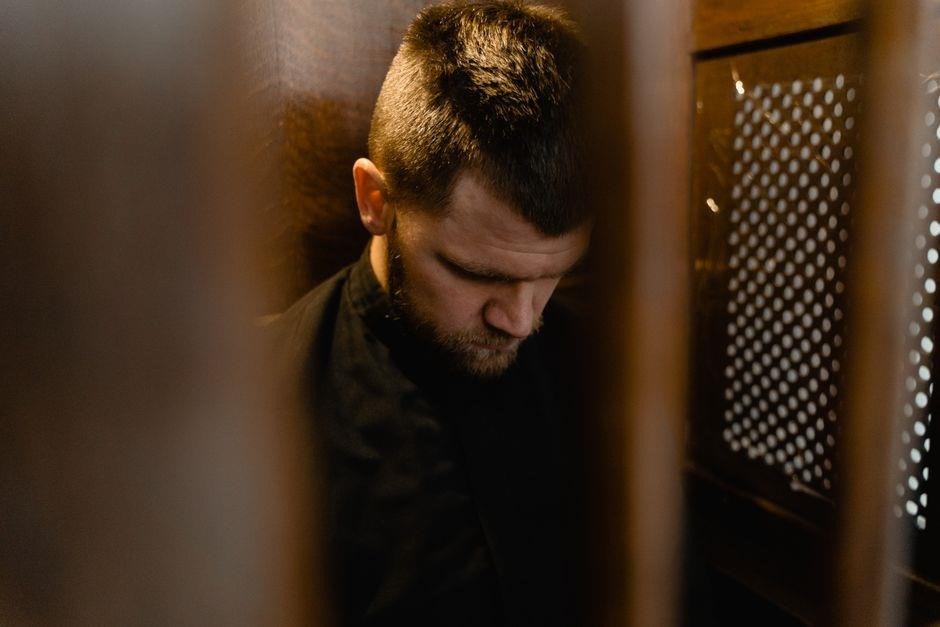
Preparing for Confession
Preparing for confession involves quiet reflection, reviewing the Psalms, and listing sins with honesty. Seek a suitable time, find a priest, and set a sincere intention to receive divine mercy. This preparation deepens humility and readiness for the sacrament. and prayer
2.1 Spiritual Self-Examination Techniques
In Orthodox preparation, the soul engages in a disciplined inner audit that blends scriptural meditation, prayerful reflection, and honest inventory. The faithful begin by reading Psalms 51 and 139, seeking God’s mercy and awareness of hidden transgressions. They then recite the “I confess” formula, listing each sin with specificity, noting the motive, the act, and the impact on the community. This practice follows the Patristic model of “self‑examination” (ἐπιθεώρηση), where one examines the heart, mind, and actions against the seven deadly sins and the ten commandments. A common technique is the “list of sins” written on a small paper, which the confessor reviews to ensure completeness. The believer also engages in the “daily repentance” (αἰνόμα) prayer, asking for purification and the grace to avoid future lapses. By combining scriptural insight, honest confession, and a structured list, the soul prepares itself for the sacramental encounter, aligning heart, mind, and will with divine will. The disciplined self‑examination not only purifies the soul but also cultivates a continual awareness of God’s presence, encouraging believers to live in constant repentance, to seek His mercy daily, and to grow in humility and love for others, thereby fulfilling the spiritual journey toward union with the Divine. In this ongoing practice, believers cultivate a humble heart that constantly seeks divine guidance, turning every act into a testament of faith and a step toward heavenly union!!
2.2 Understanding the Seven Sacraments and Confession’s Place Among Them
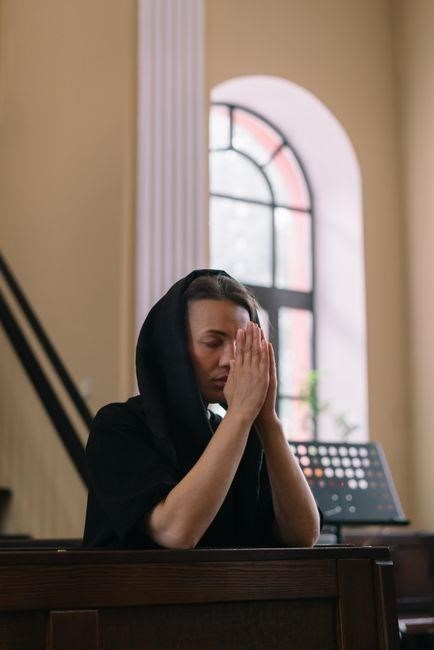
In the Orthodox tradition, the seven sacraments—Baptism, Chrismation, Eucharist, Confession, Marriage, Ordination, and Unction—are the visible means through which God’s grace is dispensed. Baptism and Chrismation initiate the believer into the Church, while the Eucharist sustains the soul with divine life. Confession, though often seen as a “minor” sacrament, is pivotal: it restores communion, heals sin, and prepares the faithful for the Eucharist. The priest, acting in the person of Christ, grants absolution, thereby re‑establishing the believer’s relationship with the Church and God. Marriage, Ordination, and Unction are rites that bind the individual to the community and to the divine mission. Each sacrament is distinct yet interwoven; Confession serves as the cleansing bridge that enables participation in the other sacraments, especially the Eucharist. The Orthodox understanding emphasizes that all seven are gifts of grace, instituted by Christ, and that Confession’s role is to remove the spiritual obstacles that hinder one’s full reception of the other sacraments. Through this sacramental economy, the believer progresses toward sanctification, experiencing God’s transformative presence in every act of faith.
In this sacramental tapestry, confession is the bridge that cleanses the soul, enabling faithful participation in the Eucharist and other rites, and nurturing a continual pursuit of sanctity within the community of believers. daily. ever.
2.3 Choosing a Spiritual Father or Confessor
When seeking a spiritual father, the first step is to identify a priest who is in good standing within the local diocese and who has a reputation for pastoral care. The candidate should be a baptized and confirmed member of the Orthodox Church, having received the sacrament of Confession and being authorized by the bishop to hear and absolve sins. A good confessor will listen attentively, ask probing questions that help you examine your conscience, and offer guidance rooted in Scripture and the Fathers. It is also important to consider the confessor’s approach to repentance: a compassionate, non‑judgmental tone encourages honest confession, while a strict, doctrinal stance may create fear. Many parishes provide a short questionnaire or an introductory meeting to gauge compatibility. Trust is essential; the relationship should feel safe and confidential, as the priest is bound by the sacramental seal. Finally, consistency matters: regular confession—ideally monthly—helps maintain spiritual growth and keeps the soul aligned with God’s will. Choosing the right spiritual father is a decision that shapes your entire journey of repentance and sanctification.
In addition, the confessor may recommend specific prayers, such as the Jesus Prayer or the Psalms, to aid in the purification process; Regular confession also strengthens the believer’s participation in the Eucharist, as the soul is cleansed and ready to receive the Body of Christ. The priest’s guidance helps the faithful to recognize patterns of sin, to cultivate humility, and to grow in love for God and neighbor. This practice deepens trust in God’s mercy daily!!! Amen!!
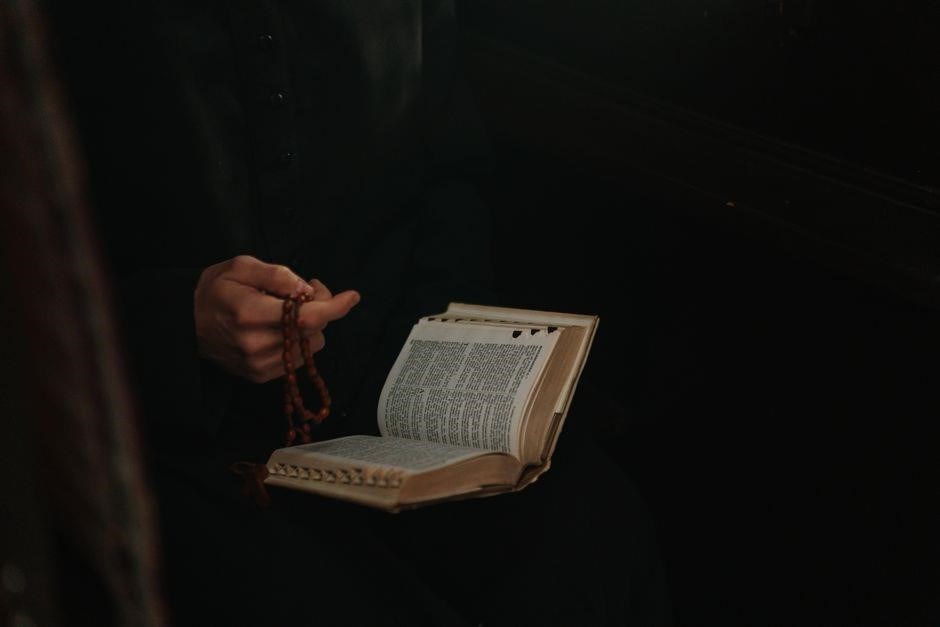
The Confession Process
Confession follows a set liturgical rhythm: the priest greets, you confess sins, the priest offers counsel, you perform penance, and the priest pronounces absolution. This cycle fosters humility, repentance, and spiritual renewal, guiding the soul toward divine grace. It invites reflection, deepening communion!
3.1 Liturgical Structure and Common Phrases
The Orthodox confession follows a concise yet profound liturgical rhythm that mirrors the Church’s sacramental theology. It begins with the priest’s greeting, “Lord, have mercy,” inviting the penitent to enter the sacrament with humility. The penitent then recites the confession: “I confess, Lord, that I have sinned in thought, word, and deed.” The priest offers counsel, often reminding the soul of the mercy of God and the necessity of repentance. Next, the penitent performs the prescribed penance, which may include prayer, fasting, or almsgiving. The priest then pronounces absolution: “By the power of the Holy Trinity, I absolve you from all your sins.” The rite concludes with the priest’s blessing, “May the Lord’s grace sustain you.” These common phrases encapsulate the theological depth of confession, emphasizing repentance, divine forgiveness, and the continual journey toward sanctification.
In practice, the priest may ask, “Did you sin today?” or “What burdens weigh on your heart?” These questions help the penitent articulate specific transgressions, ensuring the confession is thorough. The priest may also provide spiritual guidance, encouraging the penitent to seek God’s mercy through prayer, reading Scripture, and participation in the Divine Liturgy. The entire process is conducted in a confidential setting, respecting the sacredness of the sacrament.
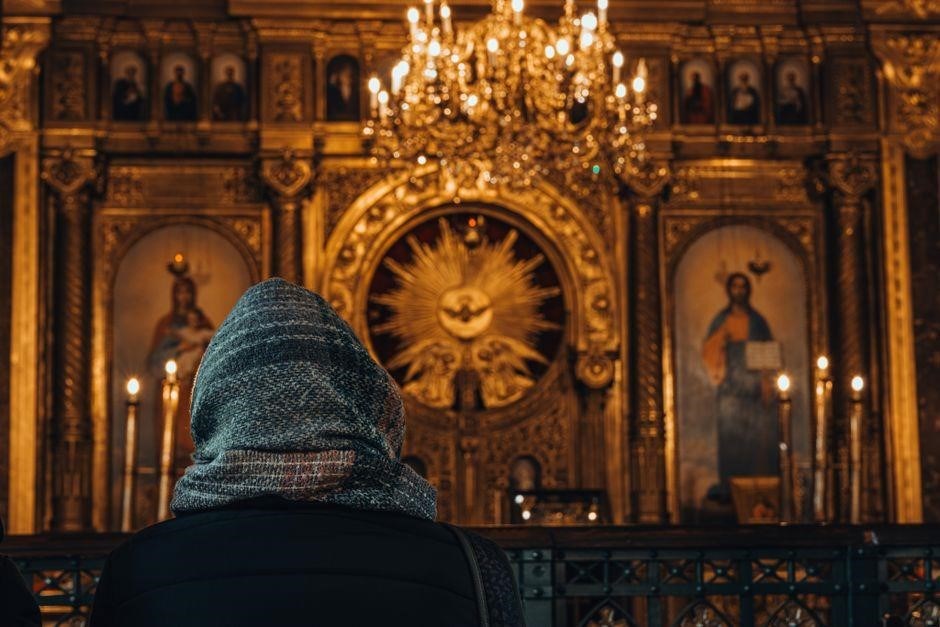
The priest’s absolution is a solemn proclamation: “By the grace of the Holy Spirit, I forgive you, and you are absolved.” The sacrament’s confidentiality is paramount; the priest is bound by the vow of silence, ensuring the penitent’s privacy. It also reinforces communal trust, reminding believers of shared repentance and mutual support for growth now.
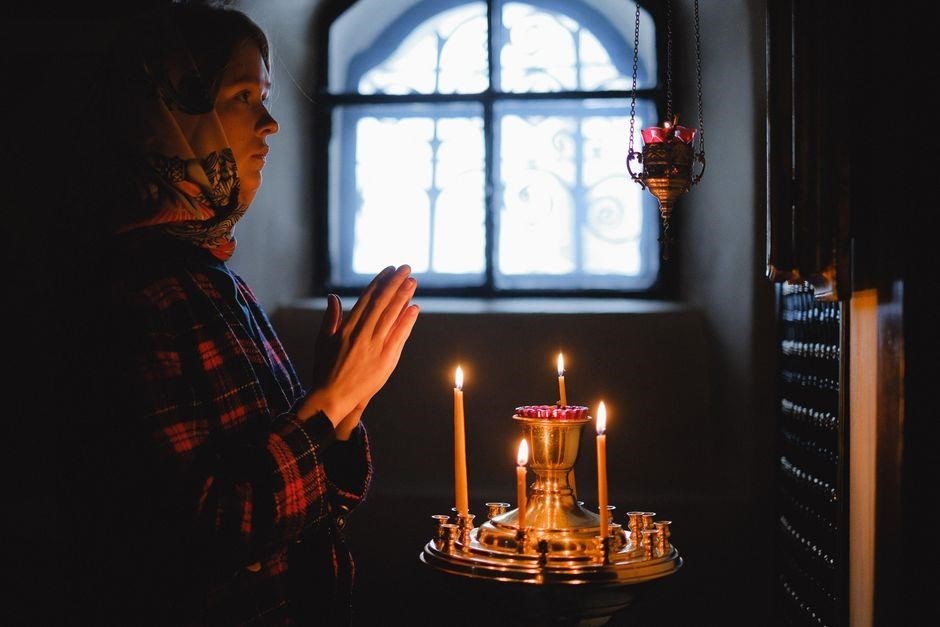
3.2 Etiquette and Confidentiality in the Confessional
In Orthodox confession, reverence and privacy are paramount. The penitent should arrive early, dress modestly, and silence any electronic devices. Upon entering the confessional, one bows, acknowledging the priest’s role as a vessel of divine mercy; The priest greets with “Lord, have mercy,” and the penitent responds, “Lord, have mercy.” This exchange sets a tone of humility.
During the confession, the penitent speaks plainly, avoiding euphemisms, and the priest listens attentively, offering counsel only when necessary. Silence is respected; the priest’s vow of confidentiality is sacralized, ensuring that all spoken words remain within the confessional. The penitent should refrain from discussing the confession outside the sacrament, trusting the priest’s discretion. The priest may also suggest specific prayers or hymns to aid in repentance, reinforcing the communal aspect of confession. This guidance keeps the penitent linked to the Church’s rhythm now.
After absolution, the penitent bows again, thanking the priest, and departs quietly. The confessional’s door is closed to maintain privacy, and the priest’s office remains a safe space for ongoing spiritual guidance. Observing these practices honors the sacrament’s sanctity and fosters a culture of trust within the Orthodox community.
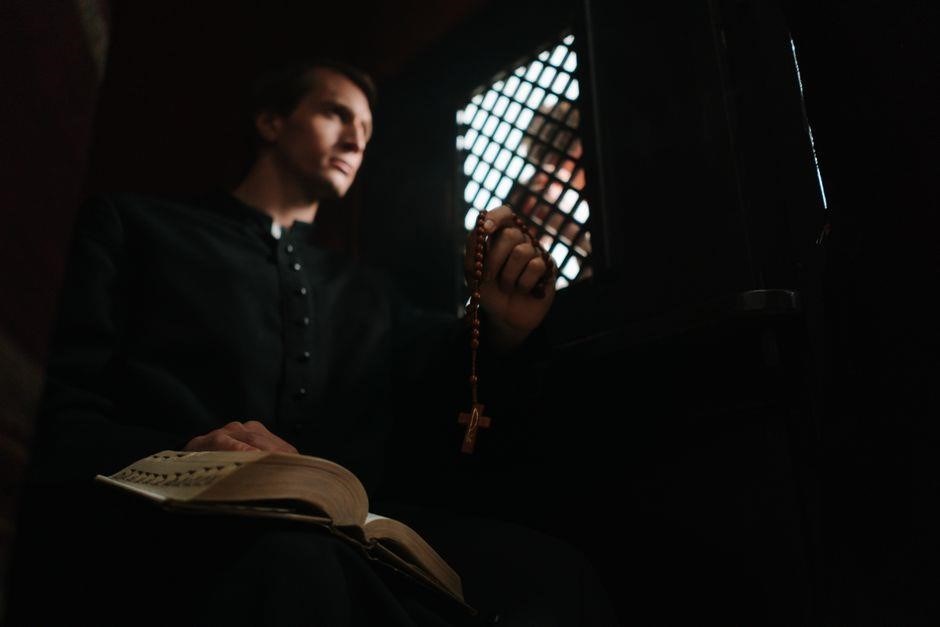
After Confession: Penitential Practices and Spiritual Growth
After confession, believers fast, pray, and give alms. The priest assigns a penance, often a psalm or act of charity. These practices deepen humility, renew faith, and foster ongoing spiritual growth toward sanctity. dailyprayer.
4.1 The Role of Prayer and Fasting
Prayer and fasting are integral to the post‑confessional journey, embodying the Orthodox understanding that repentance is a continual, lived reality. After absolution, the faithful are encouraged to engage in the daily Liturgy, the Jesus Prayer, and the Psalter, each serving as a living confession of gratitude and renewed commitment. Fasting, whether the strict Great Lent, the weekly fast on Wednesdays and Fridays, or a personal sacrifice, sharpens the soul’s awareness of its dependence on divine grace. The rhythm of fasting punctuates the believer’s life, reminding them that every act of self‑denial is a step toward union with God. In practice, a penitent may be instructed to recite the 100‑psalm cycle, to offer a specific almsgiving, or to perform a simple act of humility, such as washing the feet of a stranger. These acts are not punitive but restorative, reinforcing the spiritual discipline that confession alone cannot fully achieve. The combination of prayer and fasting cultivates humility, strengthens the heart against temptation, and opens the soul to the transformative presence of the Holy Spirit. In this way, the post‑confessional period becomes a fertile ground for continual growth, where the believer’s life is reshaped by the disciplined practice of prayer and fasting, aligning daily actions with the divine will. Through disciplined practice, believers cultivate a heart that continually seeks the divine presence, allowing the soul to grow ever closer to the fullness of God’s love.!!!
4.2 Ongoing Spiritual Guidance and Follow‑Up
Ongoing spiritual guidance and follow‑up after confession are essential to sustaining the transformative work of repentance. In the Orthodox tradition, the priest or spiritual father remains a constant presence, offering counsel, assigning ascetic practices, and ensuring that the penitent’s growth is monitored and nurtured. Regular meetings—often weekly or monthly—provide a space for discussing progress, confronting new temptations, and deepening the understanding of the Scriptures. The confessor may recommend specific prayers, such as the Jesus Prayer or the Psalter, and may prescribe almsgiving or acts of service as tangible expressions of repentance. Additionally, the faithful are encouraged to participate in the Divine Liturgy, where the Eucharist itself acts as a continual source of grace, reinforcing the healing that confession initiates. The guidance process also includes the use of spiritual diaries, where the believer records insights, struggles, and moments of grace, allowing both the individual and the confessor to track spiritual development over time. This ongoing dialogue ensures that the initial act of confession is not a one‑time event but the beginning of a lifelong journey toward sanctification, guided by the wisdom of the Church and the loving oversight of a trusted spiritual father. Confessor encourages a journal, noting grace and doubts. This record. Penitents join prayer groups, sharing. These practices keep confession alive, shaping hearts toward holiness. daily.