
Pain Nursing Care Plan Examples: A Comprehensive Guide
Comprehensive pain management necessitates detailed care plans; readily available PDF examples streamline workflow and enhance patient comfort significantly.
Effective pain management is a cornerstone of quality nursing care, profoundly impacting patient well-being and recovery. Nurses play a pivotal role in assessing, treating, and re-evaluating pain, utilizing a holistic approach that considers physical, psychological, social, and spiritual dimensions.
Developing robust pain nursing care plans is essential for consistent and individualized patient care. These plans serve as a roadmap, guiding interventions and ensuring comprehensive pain relief. While creating these plans from scratch is valuable, utilizing pre-existing PDF examples can significantly expedite the process and offer best-practice guidance.
These PDF resources often showcase various pain scenarios, nursing diagnoses, interventions, and evaluation criteria. They provide a framework for tailoring care to specific patient needs, promoting optimal outcomes, and improving the overall patient experience. Accessing well-structured examples empowers nurses to deliver evidence-based, compassionate, and effective pain management.
Understanding Pain: Types and Assessment
Accurate pain assessment is fundamental to effective management, recognizing pain’s subjective nature and diverse presentations. Pain manifests in various types – nociceptive, neuropathic, and idiopathic – each requiring tailored approaches. Comprehensive assessment involves evaluating location, intensity, quality, and aggravating/alleviating factors.
Reviewing pain nursing care plan examples PDF resources can illustrate how different pain types are addressed. These examples demonstrate appropriate assessment techniques and the selection of relevant interventions based on the identified pain characteristics. They highlight the importance of considering the patient’s history, cultural background, and individual preferences.

PDF care plan templates often include standardized assessment tools and documentation guidelines, ensuring thorough and consistent evaluation. Understanding these nuances, as showcased in example plans, is crucial for developing individualized and effective pain management strategies.
Acute vs. Chronic Pain
Differentiating between acute and chronic pain is vital for targeted nursing interventions. Acute pain, typically resulting from injury or illness, has a sudden onset and limited duration, often resolving with treatment. Conversely, chronic pain persists beyond the expected healing time, frequently exceeding three months, and can significantly impact quality of life.
Pain nursing care plan examples PDF resources clearly delineate approaches for each type. Acute pain plans prioritize rapid assessment and short-term relief, focusing on addressing the underlying cause. Chronic pain plans emphasize long-term management, functional restoration, and coping strategies.
PDF examples demonstrate how care plans adapt to the differing needs; acute plans detail immediate analgesia, while chronic plans incorporate multidisciplinary approaches like physical therapy and psychological support. Studying these distinctions within example plans enhances understanding and improves patient outcomes.
Pain Scales & Assessment Tools (Numeric, FACES, FLACC)
Accurate pain assessment is foundational to effective management. Nurses utilize various tools, including the Numeric Rating Scale (0-10), the FACES Pain Scale (for children and those with communication difficulties), and the FLACC scale (Face, Legs, Activity, Cry, Consolability) for nonverbal patients.

Pain nursing care plan examples PDF documents frequently showcase how these tools are integrated into assessment sections. They demonstrate proper documentation of pain scores and the selection of appropriate scales based on patient capabilities.
PDF resources illustrate how consistent use of these scales facilitates objective monitoring of pain intensity and treatment effectiveness. Example plans highlight the importance of reassessment after interventions and tailoring the plan based on reported or observed changes. Understanding these tools through practical examples is crucial for comprehensive pain care.
Subjective vs. Objective Pain Indicators
Pain assessment relies on both subjective reports from the patient and objective observations by the nurse. Subjective data includes the patient’s description of pain – location, intensity, quality, and alleviating/aggravating factors. Objective indicators encompass physiological responses like vital signs, facial expressions, body posture, and guarding behaviors;
Pain nursing care plan examples PDF often detail how to document both types of indicators. They emphasize the importance of believing the patient’s self-report, even when objective findings are minimal.

PDF resources demonstrate correlating subjective descriptions with objective signs to create a holistic pain profile. Example plans illustrate using behavioral cues for non-communicative patients and validating patient reports with physiological data. Recognizing the interplay between subjective and objective indicators is vital for personalized pain management.
Nursing Diagnosis for Pain
Accurate nursing diagnoses are foundational to effective pain management. Common diagnoses include “Acute Pain” and “Chronic Pain,” but require specific etiology to be complete. For instance, “Acute Pain related to surgical incision” or “Chronic Pain related to osteoarthritis.” Pain nursing care plan examples PDF frequently showcase correctly formatted diagnoses.
PDF resources highlight the importance of individualizing diagnoses based on the patient’s unique pain experience. They demonstrate how to link the diagnosis to defining characteristics observed during assessment – both subjective and objective.
Example plans often include related factors (etiology) and risk factors contributing to the pain. Utilizing standardized nursing diagnosis language (NANDA-I) ensures clarity and consistency in care. Properly formulated diagnoses guide goal setting and intervention selection, improving patient outcomes.
Acute Pain Related to [Specific Etiology]
Acute pain, stemming from a defined cause like surgery, trauma, or infection, demands focused nursing intervention. Pain nursing care plan examples PDF often detail plans for post-operative pain, specifying etiology as “Acute Pain related to post-operative surgical incision.” These plans emphasize frequent assessment using pain scales.
PDF resources illustrate interventions like timely medication administration (opioids and non-opioids), positioning for comfort, and wound care to minimize irritation. They highlight the importance of monitoring vital signs and assessing for adverse effects.
Example plans demonstrate how to tailor interventions to the specific etiology. For example, a plan for trauma-related pain will differ from one addressing acute myocardial infarction. Effective management aims for pain reduction to a tolerable level, facilitating recovery and participation in care.
Chronic Pain Related to [Specific Etiology]
Chronic pain, persisting beyond typical healing time, requires a holistic nursing approach. Pain nursing care plan examples PDF frequently address conditions like arthritis, neuropathy, or fibromyalgia, citing etiology as “Chronic Pain related to degenerative joint disease.” These plans prioritize long-term management, not just symptom suppression.

PDF resources showcase interventions focusing on functional improvement and quality of life. These include referrals to physical therapy, occupational therapy, and psychological support. Medication management, often involving adjuvant therapies, is detailed, alongside strategies for self-management.
Example plans emphasize patient education regarding pain coping mechanisms, pacing activities, and recognizing exacerbation triggers. They highlight the importance of a collaborative approach, empowering patients to actively participate in their care and achieve sustainable pain control.
Goal Setting for Pain Management
Effective pain management hinges on collaboratively established, patient-centered goals. Pain nursing care plan examples PDF demonstrate SMART goal formulation – Specific, Measurable, Achievable, Relevant, and Time-bound. These resources illustrate goals ranging from reducing pain intensity (e.g., “Patient will report pain score ≤3/10 within 24 hours”) to improving functional ability.
PDF templates often categorize goals as short-term and long-term. Short-term goals focus on immediate relief, while long-term goals address sustained improvement in quality of life. Examples include increasing range of motion, resuming daily activities, or enhancing sleep quality.
Crucially, these plans emphasize patient involvement in goal setting, fostering a sense of control and ownership. Regularly revisiting and revising goals ensures they remain relevant and motivating throughout the care process.
Short-Term Goals (e.g., Reduced Pain Score)
Short-term goals in pain management, frequently detailed in pain nursing care plan examples PDF, concentrate on immediate symptom alleviation. A primary example is reducing the patient’s pain score, typically within a defined timeframe – for instance, “Patient will decrease pain score from 8/10 to 5/10 within one hour of medication administration.”
Other short-term objectives include improving patient comfort during procedures, facilitating rest, and minimizing interference with activities like eating or hygiene. PDF resources showcase goals focused on enhancing the patient’s ability to participate in their care, such as verbalizing effective coping strategies.
These goals are readily measurable and serve as benchmarks for evaluating the effectiveness of interventions. Frequent reassessment and adjustments are vital to ensure continued progress towards optimal pain control.
Long-Term Goals (e.g., Improved Functionality)
Long-term goals, often illustrated within pain nursing care plan examples PDF documents, focus on sustained improvements in the patient’s quality of life. A common objective is improved functionality – for example, “Patient will independently perform activities of daily living (ADLs) with minimal pain interference within one week;”
These goals extend beyond immediate pain reduction, aiming to restore or enhance the patient’s ability to participate in work, hobbies, and social activities. PDF examples frequently include objectives related to increased mobility, improved sleep patterns, and reduced reliance on pain medication.
Successful achievement of long-term goals signifies effective pain management and a return to a more fulfilling lifestyle. Regular evaluation and collaborative goal setting with the patient are crucial for sustained success.
Nursing Interventions: Pharmacological Approaches
Pharmacological interventions, detailed in many pain nursing care plan examples PDF resources, form a cornerstone of pain management. These plans outline medication administration, including opioid and non-opioid analgesics, alongside adjuvant therapies. Nurses meticulously assess pain levels before and after administration, documenting responses and potential side effects.
PDF examples emphasize the importance of adhering to the “rights” of medication administration and educating patients about their medications – purpose, dosage, and potential adverse reactions. Careful monitoring for respiratory depression, constipation (with opioids), and other complications is paramount.
Individualized medication regimens, based on pain intensity and patient-specific factors, are crucial. Collaboration with physicians and pharmacists ensures optimal pain relief while minimizing risks.
Opioid Administration: Considerations & Monitoring
Pain nursing care plan examples PDF frequently detail opioid administration protocols. Nurses must carefully assess respiratory status – rate, depth, and oxygen saturation – before, during, and after opioid administration. Monitoring for sedation and hypotension is also critical, alongside diligent documentation.
Considerations include patient history of respiratory issues, age, and concurrent medications. Naloxone availability and staff training are essential for reversing opioid overdose. PDF resources highlight the importance of educating patients about opioid risks, including dependence and constipation.
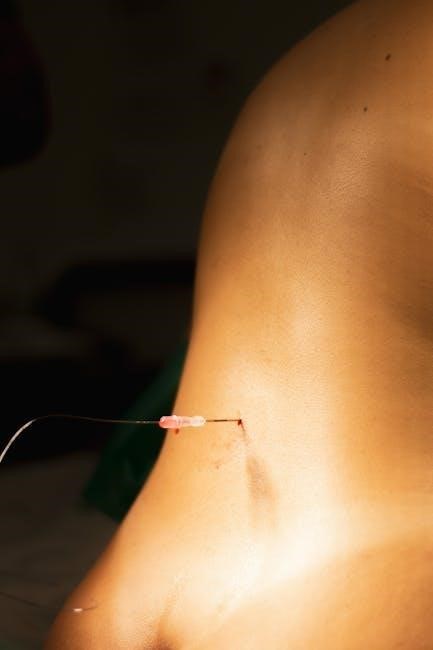
Regular assessment of bowel function and proactive management of constipation are vital. Pain scales should be consistently utilized to evaluate effectiveness and adjust dosages as prescribed.
Non-Opioid Analgesics: Uses & Side Effects
Pain nursing care plan examples PDF often showcase the role of non-opioid analgesics like acetaminophen and NSAIDs. Acetaminophen is frequently used for mild to moderate pain, but nurses must monitor liver function, especially with chronic use. NSAIDs, effective for inflammatory pain, require monitoring for gastrointestinal bleeding and renal function.
PDF resources emphasize patient education regarding potential side effects – gastric upset, bruising, and increased blood pressure with NSAIDs. Care plans detail assessing for allergies and contraindications before administration.
Combining non-opioids can sometimes enhance pain relief, but careful consideration of drug interactions is crucial. Documentation of pain scores and medication effectiveness is paramount for adjusting the treatment plan.
Adjuvant Medications for Pain Management
Pain nursing care plan examples PDF frequently detail the use of adjuvant medications – drugs primarily indicated for conditions other than pain, but effective in pain management. Antidepressants, like tricyclic antidepressants and SNRIs, are used for neuropathic pain, requiring monitoring for cardiac effects and serotonin syndrome.
Anticonvulsants, such as gabapentin and pregabalin, also target neuropathic pain, with nurses assessing for drowsiness and dizziness. Corticosteroids can reduce inflammation, but long-term use necessitates monitoring for immunosuppression and metabolic changes.
PDF resources highlight the importance of individualized medication selection and careful titration. Care plans emphasize assessing for drug interactions and educating patients about potential side effects. Thorough documentation of response and adverse events is essential.
Nursing Interventions: Non-Pharmacological Approaches
Pain nursing care plan examples PDF consistently emphasize non-pharmacological interventions as crucial components of holistic pain management. Relaxation techniques, including deep breathing exercises and guided imagery, help reduce muscle tension and anxiety, promoting comfort. Physical therapy and tailored exercise programs improve mobility and function, decreasing pain intensity.
Distraction methods, such as music therapy or engaging activities, divert attention from pain signals. Cognitive Behavioral Therapy (CBT) equips patients with coping strategies to reframe pain perceptions and manage emotional distress. PDF resources often include detailed protocols for implementing these techniques.
Nurses play a vital role in educating patients and families about these approaches, fostering self-management skills. Consistent application and evaluation of effectiveness, documented within the care plan, are paramount.
Relaxation Techniques (Deep Breathing, Meditation)
Pain nursing care plan examples PDF frequently detail relaxation techniques as first-line interventions. Deep breathing exercises, like diaphragmatic breathing, activate the parasympathetic nervous system, reducing heart rate and blood pressure, thus lessening pain perception. Meditation, including mindfulness practices, cultivates present moment awareness, diminishing focus on painful sensations.
Guided imagery, often incorporated into PDF protocols, encourages patients to visualize peaceful scenes, promoting relaxation and reducing anxiety. Progressive muscle relaxation systematically tenses and releases muscle groups, alleviating tension.
Nurses should assess patient preferences and provide individualized instruction. Documenting the patient’s response to these techniques within the care plan is essential for evaluating effectiveness and adjusting interventions accordingly.
Physical Therapy & Exercise
Pain nursing care plan examples PDF consistently emphasize the role of physical therapy and exercise in pain management. Targeted exercises strengthen muscles, improve joint mobility, and reduce stiffness, ultimately decreasing pain. Physical therapists assess functional limitations and develop individualized exercise programs.

Low-impact activities, such as walking, swimming, or cycling, enhance cardiovascular health and release endorphins, natural pain relievers. Stretching exercises improve flexibility and range of motion. PDF resources often include specific exercise protocols tailored to different pain conditions.
Nurses collaborate with physical therapists to ensure safe and effective exercise implementation. Monitoring patient tolerance and documenting progress within the care plan are crucial for optimizing outcomes.
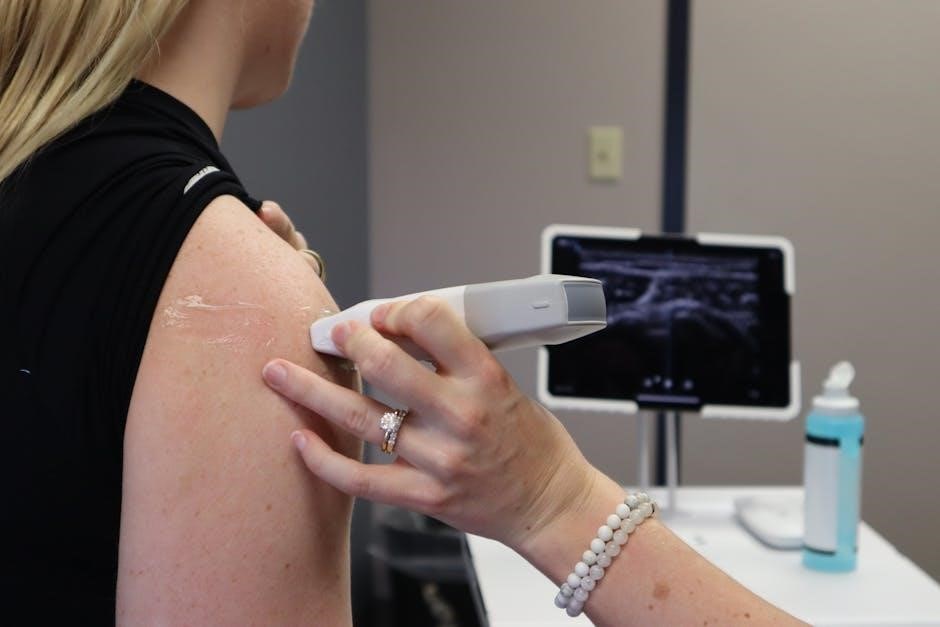
Distraction & Cognitive Behavioral Therapy
Pain nursing care plan examples PDF frequently highlight distraction techniques and Cognitive Behavioral Therapy (CBT) as vital non-pharmacological interventions. Distraction, utilizing activities like music, reading, or games, shifts focus away from pain signals, offering temporary relief. CBT addresses the psychological aspects of pain, helping patients modify negative thought patterns and coping mechanisms.
PDF resources often detail CBT strategies, including relaxation techniques, mindfulness exercises, and activity pacing. Nurses can facilitate these interventions, encouraging patients to identify and challenge unhelpful beliefs about their pain. Goal setting and problem-solving skills are also key components of CBT.
Effective implementation requires a collaborative approach, with nurses reinforcing CBT principles and monitoring patient progress documented within the comprehensive care plan.
Evaluation of Pain Management Effectiveness
Pain nursing care plan examples PDF emphasize rigorous evaluation as crucial for optimizing patient outcomes. Regular re-assessment of pain scores, utilizing the same scale initially employed, is paramount; documenting changes objectively. Monitoring for adverse effects of analgesic medications – sedation, nausea, constipation – is equally vital, with prompt intervention as needed.
PDF guides often include standardized evaluation forms to track progress. Patient feedback regarding pain relief, functional improvement, and overall satisfaction should be actively solicited and incorporated into the care plan. Observe for non-verbal cues indicating pain levels.
Analyzing collected data informs adjustments to the plan, ensuring interventions remain effective and tailored to the individual’s needs, as detailed in the care plan documentation.
Re-assessment of Pain Scores
Pain nursing care plan examples PDF consistently highlight the necessity of frequent pain score re-assessment. This isn’t a one-time event; re-evaluation should occur at predetermined intervals – typically every 1-2 hours post-intervention, and then as needed – based on the patient’s reported pain levels and clinical status.

Utilize the same pain scale (Numeric Rating Scale, FACES, FLACC) initially chosen for consistency and accurate comparison. Document the time of assessment, the pain score, and any factors influencing the pain (e.g., activity, position).
PDF resources often provide templates for documenting these assessments. Compare current scores to baseline and previous assessments to determine intervention effectiveness. A lack of improvement necessitates plan modification, guided by the care plan.
Monitoring for Adverse Effects of Medications
Pain nursing care plan examples PDF emphasize diligent monitoring for medication side effects. Opioids, for instance, require observation for respiratory depression, sedation, nausea, vomiting, and constipation – vital signs must be frequently checked. Non-opioids can cause gastrointestinal distress or renal issues.
Assess for allergic reactions, and document any unusual symptoms promptly. PDF guides often include checklists for common adverse effects. Monitor laboratory values (e.g., liver function tests, renal function) as indicated by the medication profile.
Patient education regarding potential side effects is crucial; encourage reporting of any concerns. Careful documentation of all observations and interventions is paramount, ensuring a safe and effective pain management strategy, as detailed in the care plan.

Patient Feedback & Satisfaction
Pain nursing care plan examples PDF consistently highlight the importance of patient-centered care, emphasizing feedback and satisfaction. Regularly solicit the patient’s perception of pain relief and treatment effectiveness – their subjective experience is paramount.
Utilize simple questionnaires or direct verbal communication to gauge satisfaction with the care plan. Address any concerns or unmet needs promptly and collaboratively. PDF resources often include sample patient satisfaction surveys.
Document patient feedback meticulously, and use it to refine the care plan. Acknowledge the patient’s role in their own pain management. High satisfaction correlates with improved adherence and better outcomes, as demonstrated in successful care plan implementations.
Documentation & Reporting
Thorough documentation is crucial when implementing any pain nursing care plan, and PDF examples often include standardized charting templates. Record all pain assessments – scores, characteristics, location, and alleviating/aggravating factors – accurately and consistently.
Document all interventions administered, including pharmacological and non-pharmacological approaches, along with the patient’s response. Report any significant changes in pain levels or adverse medication effects immediately to the physician.
Utilize electronic health records (EHRs) effectively, and ensure compliance with facility policies. PDF guides can assist with proper charting. Clear and concise documentation supports continuity of care, facilitates communication among healthcare team members, and provides a legal record of treatment.
Resources & Further Learning (PDF Links)
Enhance your expertise in pain management with these valuable resources! Access comprehensive pain nursing care plan examples in PDF format from the American Nurses Association: https://www.nursingworld.org/practice-policy/workforce/safe-staffing/pain-management.
Consider the American Society for Pain Management Nursing (ASPMN) for specialized education and PDF resources: https://www.aspmn.org/. Utilize these links to refine your skills and provide optimal patient care.