
Manual saws are versatile, hand-powered tools essential for precise cuts in woodworking, metalworking, and landscaping. Their simplicity and portability make them ideal for various projects, offering accuracy and control.
Definition and Purpose
A manual saw is a hand-powered cutting tool designed for precise and controlled cuts in various materials like wood, metal, and plastic. Its primary purpose is to enable accurate, manual cutting without the need for electricity, making it ideal for woodworking, carpentry, and DIY projects. Manual saws are valued for their portability, versatility, and ability to perform detailed work, offering a cost-effective and reliable solution for small-scale tasks. They require physical effort but provide unmatched control, making them essential for craftsmen and hobbyists alike.
Historical Significance
Manual saws have been indispensable tools since ancient times, with early versions used by Egyptians and Romans for woodworking. Over centuries, their design evolved, becoming essential in medieval craftsmanship and industrial revolutions. Hand saws played a crucial role in woodworking and carpentry, enabling precise cuts long before power tools existed. Their historical significance lies in their adaptability and enduring utility, remaining relevant even in modern workshops. Despite technological advancements, manual saws continue to be valued for their precision and versatility, connecting past craftsmanship with present-day practices.
Advantages Over Power Saws
Manual saws offer precision and control, making them ideal for intricate cuts and fine detailing. They are quieter, produce less dust, and require no electricity, making them portable and eco-friendly. Unlike power saws, manual saws allow for smoother, more accurate cuts with less material waste. They are cost-effective, durable, and require minimal maintenance. For small-scale projects or delicate tasks, manual saws are often preferred over power tools, providing a level of craftsmanship and finesse that automated alternatives cannot match. Their simplicity ensures reliability and versatility across various materials and applications.

Types of Manual Saws
Manual saws come in various designs, each tailored for specific tasks, from woodworking to metalworking. They include rip, crosscut, back, coping, hacksaws, and more, ensuring versatility for precise cuts.
Rip Saws
Rip saws are designed for cutting wood along the grain, making them ideal for resawing lumber or creating rough cuts. They typically feature larger teeth, with 5-10 teeth per inch (TPI), allowing for efficient, though less precise, cuts. The robust blade design ensures durability, while the ergonomic handle provides comfort during use. Rip saws are essential for woodworking projects requiring quick, straight cuts. Regular sharpening and proper maintenance are crucial to maintain their performance and extend their lifespan, ensuring accurate results for various woodworking tasks.
Crosscut Saws
Crosscut saws are designed to cut wood across the grain, delivering smooth, precise results. They typically feature higher teeth per inch (TPI), ranging from 8 to 15, ensuring cleaner cuts. Ideal for trimming wood to specific lengths or creating joints, crosscut saws are essential for woodworking and DIY projects. Their rigid blades and comfortable handles allow for controlled, accurate cuts. These saws are perfect for tasks requiring attention to detail, making them a must-have for craftsmen and hobbyists alike. Regular maintenance ensures optimal performance and longevity of the blade.

Back Saws
Back saws are specialized tools featuring a rigid spine along the blade’s back, enhancing stability and control. They are ideal for fine joinery and precise cuts, often used in woodworking for tasks like cutting dovetails or small joints. The high TPI (teeth per inch) ensures smooth, accurate results. These saws are perfect for detailed work, offering exceptional control and minimizing material waste. Their design allows for straight, clean cuts, making them indispensable for craftsmen seeking precision. Regular sharpening and proper storage maintain their effectiveness and extend their lifespan.
Coping Saws
Coping saws are versatile tools designed for making curved or irregular cuts in various materials. They feature a flexible blade held under tension, allowing precise control for shaping wood, plastic, or metal. Ideal for creating coping joints, these saws are essential in woodworking and crafts. Their compact design enables detailed work, making them perfect for intricate cuts. While primarily used for wood, coping saws also excel with plastics and ceramics. Their ability to navigate curved paths ensures smooth, accurate results, making them a must-have for projects requiring artistic or detailed shaping.
Hacksaws
Hacksaws are manual saws designed primarily for cutting metal, plastic, and other hard materials. They feature a C-shaped frame with a replaceable blade, often having fine teeth for clean cuts. Ideal for metalworking, hacksaws are portable and cost-effective, making them essential for DIY projects and professional tasks. Their ability to handle pipes, rods, and brackets ensures versatility. While they excel with metal, hacksaws can also cut plastic and wood, offering a practical solution for various materials. Their simplicity and effectiveness make them a must-have tool for precise, controlled cutting in multiple applications.
Keyhole Saws
Keyhole saws are specialized manual tools designed for cutting curved or irregular shapes in various materials. They are ideal for precision tasks, such as creating keyholes or decorative cuts in wood, plastic, or metal. The saw features a narrow, flexible blade attached to a handle, allowing for intricate cuts with minimal material removal. Their compact design makes them perfect for tight spaces and detailed work. Keyhole saws are essential for craftsmen and DIYers needing to make precise, curved cuts without damaging surrounding material, ensuring clean and accurate results in woodworking, metalworking, and other projects.
Pruning Saws
Pruning saws are specialized manual tools designed for trimming and shaping trees, shrubs, and branches. They feature curved or straight blades with fine teeth, ideal for precise cuts in tight spaces. These saws are lightweight and portable, making them perfect for landscaping and gardening tasks. Pruning saws are essential for maintaining plants’ health and appearance, allowing for clean, accurate cuts without damaging surrounding growth. Their compact design and ergonomic handles ensure comfort and control during use, making them a must-have for gardeners and outdoor enthusiasts seeking to keep their greenery well-manicured and thriving.
Japanese Saws
Japanese saws, known for their precision and versatility, are manual tools optimized for fine woodworking and craftsmanship. They typically feature thin, flexible blades with densely packed teeth, allowing for smooth, accurate cuts. Unlike Western saws, Japanese saws cut on the pull stroke, enabling better control and minimal material waste. Available in various types like Ryoba (double-edged) and Kataba (single-edged), they excel in tasks requiring intricate cuts, such as joinery and detailed woodwork. Their compact design and high-quality construction make them indispensable for professionals and hobbyists seeking superior cutting performance in demanding projects.
Design and Construction
Manual saws feature durable frames, ergonomic handles, and high-carbon steel blades with varying TPI for precise cutting. Their compact design ensures ease of use and control.
Blade Types and Teeth Per Inch (TPI)
Manual saw blades vary in type and TPI, ensuring optimal performance for specific tasks. Rip saws have coarse teeth (4-10 TPI) for fast, rough cuts along wood grain, while crosscut saws feature finer teeth (10-14 TPI) for smooth, precise cuts across grain. Back saws and tenon saws often have higher TPI (14-20) for fine joinery. Hacksaws typically range from 18-24 TPI, ideal for metal cutting. The right blade type and TPI significantly impact cutting efficiency and result quality, making them crucial for project success.
Handle Materials and Ergonomics
Manual saw handles are crafted from materials like wood, metal, or composite, prioritizing comfort and grip. Ergonomic designs reduce fatigue, ensuring precise control during cuts. Traditional wood handles offer a classic feel, while modern composites provide durability. Contoured grips enhance usability, allowing for consistent strokes and reduced slippage. The balance between handle material and saw weight is crucial for optimal performance, making ergonomic design a key factor in manual saw effectiveness and user satisfaction.
Frame and Blade Tension
Manual saw frames are typically made of durable materials like steel or aluminum, ensuring stability and control. Proper blade tension is critical for precise cuts, as it prevents wobbling and maintains straight edges. Tightening mechanisms, such as bolts or wingnuts, secure the blade in place, optimizing cutting efficiency. A well-designed frame and balanced tension system enhance accuracy and reduce user fatigue, making manual saws reliable tools for various tasks. The frame’s rigidity and blade tension are key factors in achieving consistent, high-quality results across different materials and projects.

Uses and Applications
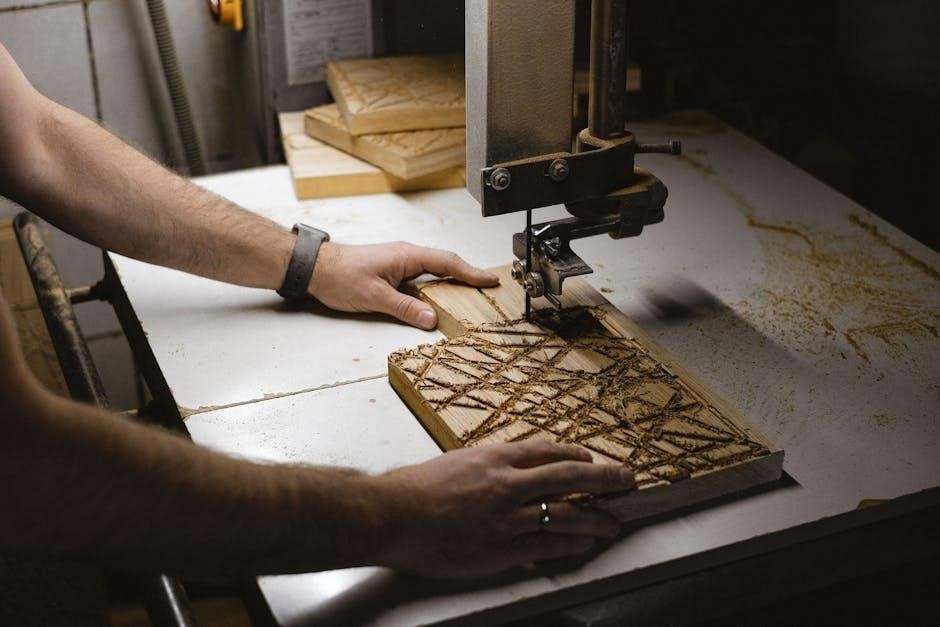
Manual saws are essential for woodworking, metalworking, landscaping, and home repairs. They excel in cutting wood, metal, and plastic, ideal for precise tasks like joinery, pruning, and curved cuts.
Woodworking and Carpentry
Manual saws are indispensable in woodworking and carpentry for making precise cuts. Crosscut saws excel at cutting wood across the grain, while rip saws are designed for cutting with the grain. Back saws, with their rigid blades, are ideal for fine joinery and dovetailing. Coping saws, meanwhile, are perfect for creating curved cuts in wood. These tools offer unmatched control and accuracy, making them essential for craftsmen seeking to achieve intricate details and smooth finishes in their projects. Their portability and lack of electricity make them ideal for workshops and remote job sites.
Metalworking
Manual saws play a crucial role in metalworking for precise cuts. Hacksaws, with their fine-toothed blades, are ideal for cutting metal pipes, rods, and brackets. They provide clean, accurate cuts without excessive material loss. The manual operation allows for better control, making them perfect for intricate metalwork. Unlike power saws, manual saws eliminate the risk of overheating or damaging delicate materials. Their portability and simplicity make them indispensable in workshops for small to medium metalworking projects, ensuring efficiency and precision in every cut.
Landscaping and Pruning
Manual saws are indispensable in landscaping and pruning for precise, clean cuts on branches and shrubs. Pruning saws, designed specifically for this purpose, ensure accurate trimming without damaging plants. Their compact design and lightweight construction make them easy to maneuver in tight spaces. Unlike power tools, manual saws operate quietly and provide better control, reducing the risk of over-pruning. They are ideal for small to medium-sized tasks, offering a cost-effective and efficient solution for maintaining gardens and greenery with care and precision.
Home Repair and DIY Projects
Manual saws are essential tools for home repair and DIY projects, offering precision and control for various tasks. They are ideal for cutting wood, plastic, and metal, making them versatile for small-scale renovations. Unlike power saws, manual saws are cost-effective and require no electricity, perfect for quick fixes or detailed work. Their portability and ease of use make them a must-have for any DIY enthusiast, ensuring accurate cuts and professional finishes without the need for heavy machinery, making them a reliable choice for homeowners tackling projects on their own.

Maintenance and Care
Regular sharpening, proper cleaning, and dry storage are essential for maintaining manual saws. Lubrication and rust prevention ensure longevity, keeping blades efficient and ready for use.
Sharpening and Blade Replacement
Sharpening manual saw blades regularly ensures optimal performance and extends their lifespan. Use a sharpening file or stone, focusing on maintaining uniform tooth angles and edges. For dull or damaged blades, replacement is necessary. Many manual saws feature interchangeable blades, allowing quick swaps without tools. Proper sharpening techniques and timely replacements maintain cutting efficiency and precision. Always follow manufacturer guidelines for specific blade types, such as rip or crosscut saws, to ensure proper fit and function. Regular maintenance keeps manual saws reliable and effective for various tasks.
Cleaning and Storage
Regular cleaning and proper storage are crucial for maintaining manual saw performance. After use, remove sawdust and debris with a soft brush or cloth. Store saws in a dry place to prevent rust, ideally hanging or placed in a protective case. Avoid exposing blades to moisture or extreme temperatures. For added protection, apply a light layer of oil to the blade and store it separately from other tools to prevent accidental damage. Proper storage ensures blades remain sharp and ready for future use, extending the tool’s lifespan and reliability.
Lubrication and Rust Prevention
Lubrication is essential to prevent friction and rust on manual saws. Apply a light oil or silicone spray to the blade and moving parts after cleaning. Regular lubrication ensures smooth operation and protects against corrosion. For rust prevention, wipe blades with a rust-inhibiting oil and store in a dry place. Avoid exposing saws to moisture, and handle them with clean, dry hands. Proper lubrication and storage significantly extend the lifespan of manual saws, maintaining their performance and reliability over time.
Safety Tips
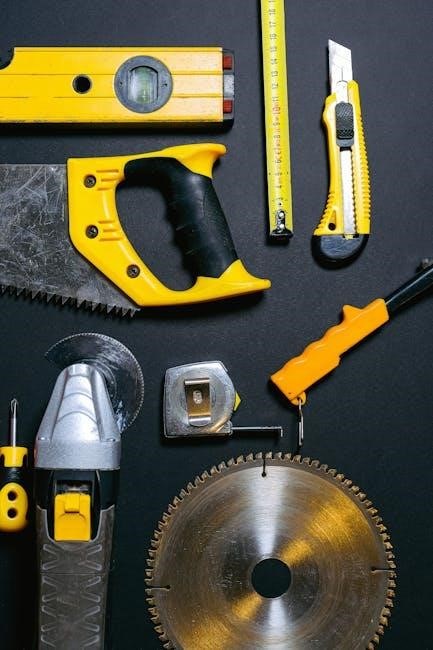
Always wear protective gear, including gloves and safety glasses, when using manual saws. Ensure a stable work environment and proper tool maintenance to prevent accidents and injuries.
Proper Handling and Grip
Proper handling and grip are essential for safe and effective use of manual saws. A firm, controlled grip prevents slipping and maintains precision. Hold the saw with both hands if it’s large, ensuring fingers are away from the blade. Keep your body balanced and stance stable to avoid accidents. Use a grip that suits the saw’s design, such as an ergonomic or cushioned handle, to reduce fatigue. Always cut on a stable surface and keep your workpiece secure. Proper technique ensures better control and reduces the risk of injury, making your cutting tasks safer and more efficient.
Protective Gear and Clothing
Using manual saws requires proper protective gear to ensure safety. Safety glasses or goggles protect eyes from debris, while a dust mask prevents inhalation of sawdust. Durable gloves improve grip and shield hands from cuts. Wear loose-fitting clothing and tie back long hair to avoid entanglement. Steel-toe boots are recommended to protect feet from falling objects. Avoid jewelry that could catch on the saw. Proper protective gear minimizes risks and ensures a safer working environment, allowing you to focus on precise and efficient cutting without compromising your well-being.
Work Environment and Safety Precautions
When using manual saws, ensure a clean and well-lit workspace to minimize accidents. Secure the material firmly with clamps to prevent movement during cutting. Keep children and pets away from the work area. Store tools in a dry, secure location to avoid rust and accidental injuries. Avoid wearing loose clothing or jewelry that could get caught in the saw. Always use the correct blade type for the material being cut and follow manufacturer guidelines. Regularly inspect and maintain tools to ensure reliability and safety, reducing the risk of accidents during use.
Choosing the Right Manual Saw
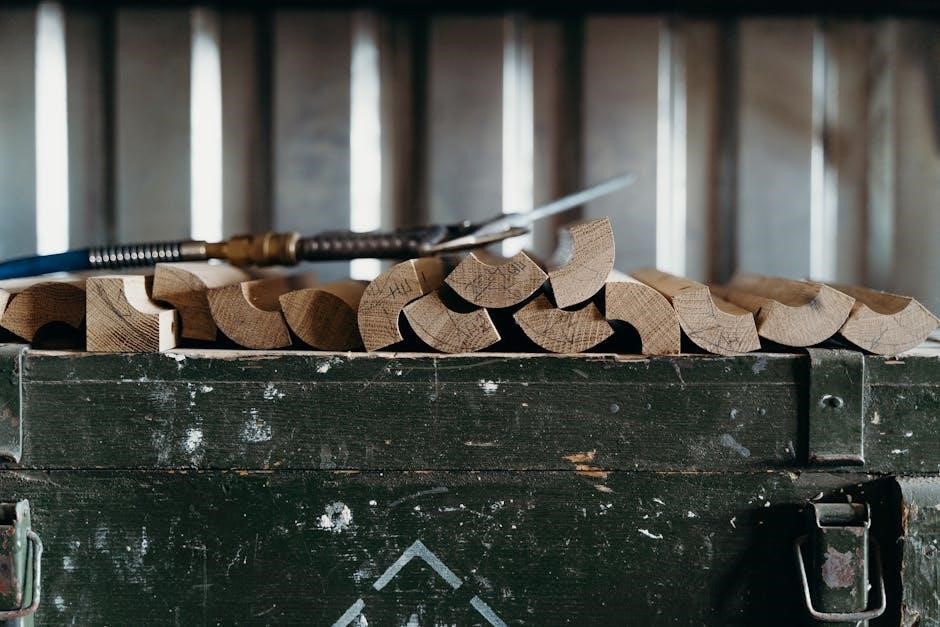
Selecting the right manual saw involves considering project requirements, material types, and budget. Choose based on blade TPI, handle ergonomics, and specific task suitability for optimal results.
Project-Specific Selection
Choosing the right manual saw starts with understanding the project’s demands. For woodworking, crosscut or rip saws are ideal, while metalworking requires hacksaws. Landscaping tasks benefit from pruning saws, and intricate cuts call for coping or Japanese saws. Assessing the material type, thickness, and desired cut precision helps narrow down options. Matching the saw’s features to the job ensures efficiency and accuracy, making project-specific selection crucial for achieving professional results in various applications.
Material Considerations
Manual saws are designed for specific materials, ensuring optimal performance. Crosscut saws excel with wood, while hacksaws are tailored for metal and plastic. Pruning saws are ideal for live wood and branches. The teeth per inch (TPI) and blade type vary, catering to different materials. Higher TPI saws are better for fine cuts in metal or plastic, while lower TPI saws handle thicker wood; Matching the saw to the material ensures cleaner cuts and extends tool longevity, making material considerations crucial for achieving desired results in woodworking, metalworking, or landscaping tasks.
Budget and Quality
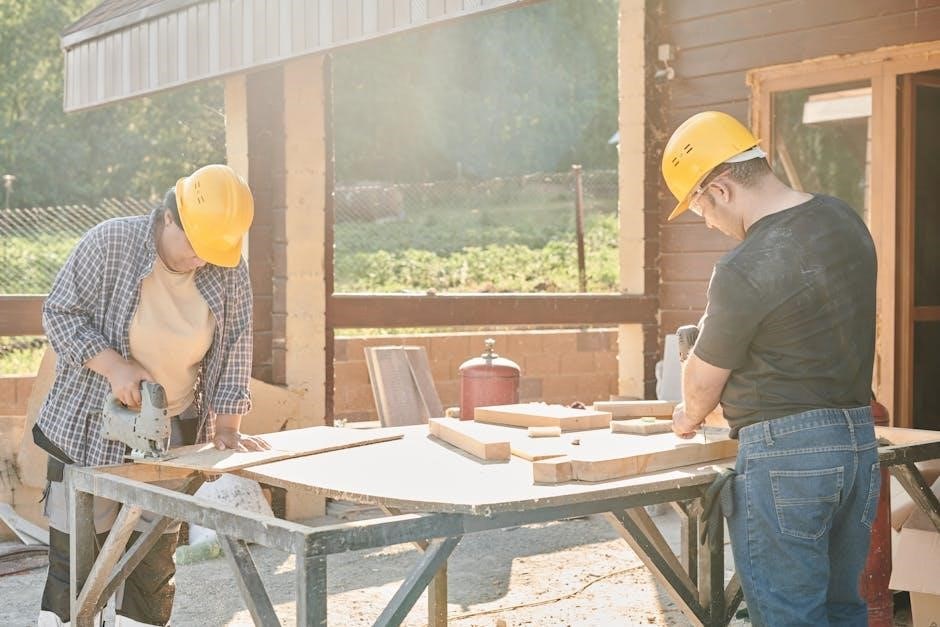
Budget and quality are key factors when selecting a manual saw. High-quality saws with durable materials and precise engineering are more expensive but offer long-term reliability and performance. Budget-friendly options may sacrifice some features but still deliver satisfactory results for casual use. Balancing cost with the tool’s intended use ensures value, whether for professional tasks or DIY projects. Investing in a reputable brand often provides better ergonomics and blade longevity, making it a worthwhile consideration for those prioritizing quality and durability in their manual saw.
Comparison with Power Saws
Manual saws offer precision and quiet operation, ideal for small, detailed tasks, while power saws provide speed and efficiency for larger projects, making each tool suited for specific needs.
Pros and Cons of Manual Saws
Manual saws excel in precision and control, making them ideal for detailed work. They are lightweight, portable, and require no electricity, perfect for small projects. However, they can be physically demanding for large tasks and require more time and effort compared to power saws. Their lack of noise and vibration is a significant advantage, but they may struggle with thick or hard materials. Despite these limitations, manual saws remain essential for fine craftsmanship and situations where power tools are impractical.
Pros and Cons of Power Saws
Power saws offer unmatched speed and efficiency for heavy-duty tasks, making them ideal for large-scale projects. They excel at cutting thick materials and reduce physical effort significantly. However, they are noisy, produce vibrations, and require maintenance. Their high cost and dependency on electricity or fuel can be drawbacks. Additionally, they lack the precision of manual saws for fine details. Despite these cons, power saws are indispensable for rapid, high-volume cutting in woodworking, metalworking, and construction, making them a valuable addition to modern workshops.
Advanced Techniques
Mastering curved and angled cuts with manual saws requires precision and control. Pull saws excel in intricate joinery, while proper blade tension ensures efficient cutting. Regular practice enhances skill.
Curved and Angled Cuts
Curved and angled cuts with manual saws require skill and patience. Coping saws and keyhole saws are ideal for intricate curves, while Japanese saws excel at precise angles. Start by marking the cut line clearly. Use gentle, consistent strokes, maintaining blade tension to prevent binding. For deep curves, adjust the saw’s angle gradually, ensuring smooth transitions. Practice on scrap material to refine technique. Proper blade selection and tool maintenance are crucial for achieving clean, accurate results in woodworking and metalworking projects.
Precision and Fine-Tuning
Precision and fine-tuning with manual saws are achieved through careful blade selection and technique. High TPI blades are best for fine cuts, while lower TPI blades suit thicker materials. Maintain consistent pressure and alignment to avoid deviations. Use a miter box or guide for straight cuts. Regularly sharpen blades to ensure sharpness, as dull blades lead to inaccuracies. Fine-tune by adjusting the saw’s angle slightly during cuts for optimal results. Practice and patience refine skills, making manual saws indispensable for detailed woodworking and metalworking tasks.
Optimizing Cutting Efficiency
Optimizing cutting efficiency with manual saws involves proper blade selection, technique, and maintenance. Choose blades with the right TPI for your material to ensure smooth cuts. Keep blades sharp, as dull edges reduce efficiency. Use guides or miter boxes for straight cuts, minimizing deviations. Apply consistent pressure and maintain the correct angle to avoid binding. Regularly clean and lubricate saws to reduce friction. Store saws properly to prevent rust. By mastering these techniques, you can achieve faster, cleaner cuts, making manual saws a reliable tool for various projects.
Manual saws remain indispensable tools, offering precision and control for various tasks. Their simplicity and effectiveness ensure they stay relevant in modern workshops and DIY projects.
Final Thoughts on Manual Saws
Manual saws are indispensable tools for precision and control in woodworking, metalworking, and landscaping. Their versatility, portability, and cost-effectiveness make them essential for both professionals and DIY enthusiasts. While power saws dominate modern workshops, manual saws excel in tasks requiring finesse and accuracy. They remain a sustainable choice, offering quiet operation and no dependency on electricity. With proper care, manual saws can last for decades, making them a timeless addition to any toolkit. Their enduring relevance underscores their value in a world increasingly reliant on power tools.
Future of Manual Saws in Modern Workshops
Manual saws continue to hold a vital place in modern workshops, offering unmatched precision for specialized tasks. Despite advancements in power tools, their portability, cost-effectiveness, and ability to perform fine cuts ensure their relevance. They remain ideal for small-scale projects, detailed work, and situations where power tools are impractical. As sustainability gains importance, manual saws appeal to eco-conscious users. Their timeless utility suggests they will complement power tools rather than be replaced, ensuring a lasting role in both professional and DIY settings for years to come.
Additional Resources
Explore recommended guides, video tutorials, and detailed manuals for mastering manual saws. Websites like www.bhg.com offer comprehensive insights and tips for optimal sawing techniques and tool maintenance.
Recommended Reading and Guides
For in-depth knowledge, explore guides from www.bhg.com and This Old House, offering detailed insights into manual saw techniques. Wood by Wright provides plans and expert tips, while Tom Silva shares hands-on advice. These resources cover choosing the right saw, maintenance, and advanced cutting methods, ensuring you master manual sawing for woodworking, metalworking, and landscaping. They also include troubleshooting tips and project ideas, helping you enhance your skills and tackle complex tasks with confidence.
Video Tutorials and Demonstrations
Enhance your manual saw skills with video tutorials from platforms like YouTube and DIY websites. Channels such as This Old House and Wood by Wright offer step-by-step guides on using various manual saws. These videos demonstrate techniques for precise cuts, tool maintenance, and project-specific applications. Additionally, websites like BHG provide visual instructions for tasks like pruning and woodworking. Watching experts in action can help you master manual sawing efficiently and safely, making complex projects more manageable. Use search terms like “manual saw techniques” or “woodworking tutorials” to find relevant content;