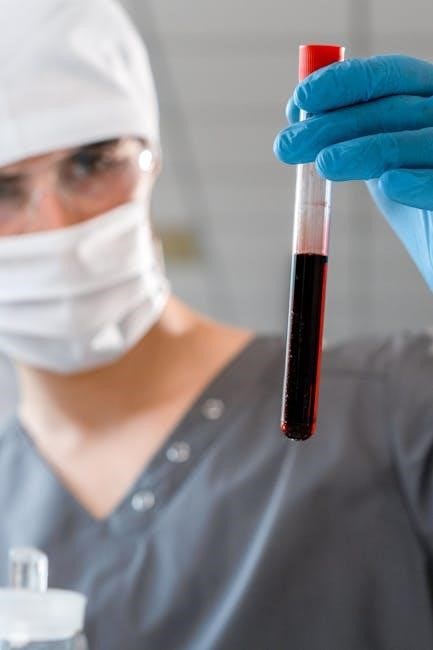
A Sterile Processing Technician plays a vital role in healthcare by ensuring medical instruments are properly sterilized and prepared for safe patient care․ They work behind the scenes in hospitals and clinics, adhering to strict protocols to prevent infections and maintain sterility․ Their work is critical for successful medical outcomes, requiring attention to detail, precision, and a strong understanding of infection control principles․
Key Concepts and Principles in Sterile Processing
Sterile processing involves critical infection control practices to ensure patient safety․ Key principles include sterilization, disinfection, and asepsis to eliminate pathogens․ Understanding microbial biology and contamination risks is essential for maintaining sterile environments and preventing healthcare-associated infections effectively․
2․1․ Sterilization Methods and Principles
Sterilization is a critical process in healthcare that eliminates all forms of microbial life, ensuring patient safety․ Common methods include steam sterilization, dry heat sterilization, ethylene oxide sterilization, and hydrogen peroxide plasma sterilization․ Steam sterilization, the most widely used, employs high-pressure steam to kill microorganisms․ Dry heat sterilization uses hot air for non-moisture-sensitive items․ Ethylene oxide is ideal for heat-sensitive equipment, while hydrogen peroxide plasma is used for delicate instruments․ Key principles include achieving optimal temperature, pressure, and exposure time․ Material compatibility and load configuration are crucial for effective sterilization․ Validating the sterilization process through biological, chemical, and mechanical indicators ensures its success․ Understanding these methods and principles is vital for maintaining sterility and preventing infections in healthcare settings․ Proper training and adherence to protocols are essential for Sterile Processing Technicians to perform these tasks accurately and safely․
2․2․ Infection Control and Prevention
Infection control is a cornerstone of sterile processing, aiming to prevent the spread of pathogens in healthcare settings․ Key principles include proper hand hygiene, use of personal protective equipment (PPE), and adherence to Standard Precautions․ Sterile Processing Technicians must understand the difference between cleaning, disinfection, and sterilization․ Cleaning removes visible contaminants, while disinfection reduces microbial load, and sterilization eliminates all microorganisms․ Proper handling of contaminated instruments, including immediate rinsing and secure transport, is critical to prevent cross-contamination․ Environmental surface disinfection and correct waste management also play vital roles․ Technicians must follow strict protocols when preparing and packaging items for sterilization to ensure sterility is maintained․ Continuous education on infection control practices is essential to adapt to evolving pathogens and guidelines․ By adhering to these principles, Sterile Processing Technicians help safeguard patient safety and prevent healthcare-associated infections․
Sterilization Techniques and Equipment
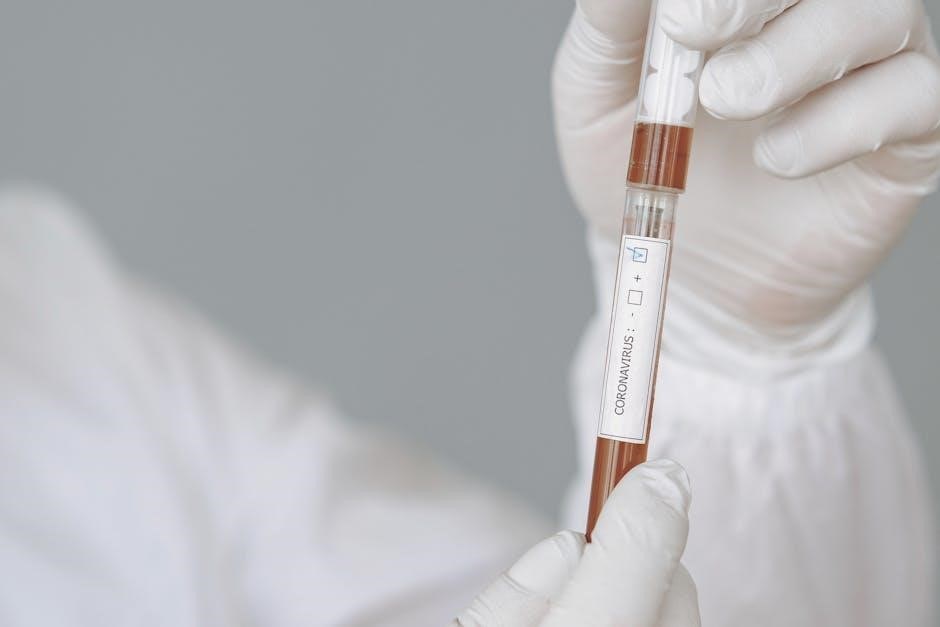
Sterilization involves techniques like autoclaving, dry heat sterilization, and chemical methods․ Equipment such as autoclaves, sterilizers, and ultrasonic cleaners are essential for ensuring instruments are free from pathogens, maintaining patient safety, and preventing infections․
3․1․ Autoclaving and Steam Sterilization
Autoclaving, also known as steam sterilization, is a widely used method in sterile processing․ It involves exposing instruments to high-pressure steam to kill microorganisms․ The process occurs in an autoclave chamber, where steam reaches temperatures of 121°C to 134°C under pressure․ This method is highly effective against bacteria, viruses, and fungi, making it ideal for heat-resistant materials like metal instruments and glassware․ Autoclaving cycles typically include a pre-vacuum phase to remove air, a sterilization phase, and a drying phase to ensure instruments are dry and ready for use․ Proper loading of the autoclave, ensuring instruments are not overcrowded, is critical for effective sterilization․ Steam sterilization is efficient, with cycles lasting 10–30 minutes, depending on the load․ It is a cornerstone of sterile processing due to its reliability and compatibility with a wide range of medical equipment․ Understanding the principles and operation of autoclaving is essential for any sterile processing technician to ensure patient safety and maintain infection control standards․
3․2․ Chemical Sterilization and Disinfection
Chemical sterilization and disinfection are essential methods for processing heat-sensitive medical devices that cannot withstand autoclaving․ These methods use chemical agents to eliminate or reduce microbial life․ Common chemicals include hydrogen peroxide, ethylene oxide, and glutaraldehyde․ Each has specific applications, with hydrogen peroxide often used for its effectiveness against bacteria and viruses, while ethylene oxide is ideal for sensitive equipment like endoscopes․
Sterilization and disinfection differ in their goals: sterilization removes all microbial life, while disinfection reduces pathogenic microorganisms․ The choice of method depends on the device’s material, intended use, and level of sterility required․ Chemical sterilization typically involves immersing instruments in the solution for a specified time, followed by thorough rinsing to remove residues․ Disinfection is often used for non-invasive devices or surfaces, providing a high level of microbial control without achieving complete sterility․
Proper training and adherence to safety protocols are critical when handling these chemicals․ Technicians must wear personal protective equipment and ensure adequate ventilation to avoid exposure․ Chemical sterilization and disinfection are vital for ensuring the safety and efficacy of medical devices that cannot be processed through heat-based methods․
Surgical Instrumentation and Equipment
Surgical instrumentation and equipment are critical tools used in medical procedures, requiring precise handling and care․ They include scalpels, forceps, retractors, and powered devices, each designed for specific tasks․ Understanding their materials, uses, and proper maintenance is essential for technicians to ensure sterility and functionality․

4․1․ Types of Surgical Instruments
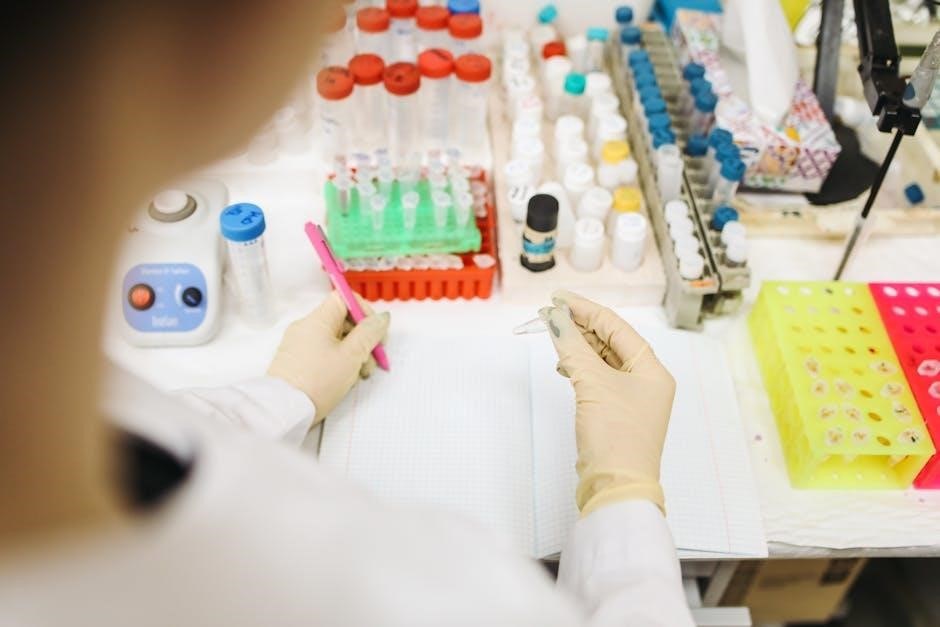
Surgical instruments are categorized based on their functions and uses in medical procedures․ Cutting instruments, such as scalpels and surgical knives, are designed to make precise incisions․ Grasping instruments, including forceps and clamps, are used to hold tissues or objects․ Retracting instruments, like retractors, expose surgical sites by pulling back tissues․ Suturing instruments, such as needle holders and suture scissors, assist in closing wounds․ Powered instruments, including drills and electrosurgical units, perform specialized tasks like bone cutting or cauterization․ Each type of instrument is crafted from high-grade materials, such as stainless steel or titanium, to ensure durability and resistance to corrosion․ Understanding the specific purpose and proper handling of these instruments is crucial for sterile processing technicians to maintain their functionality and sterility․ This knowledge enables technicians to clean, sterilize, and prepare instruments effectively, ensuring they are ready for safe use in surgical procedures․
4․2․ Cleaning and Decontamination of Instruments
Cleaning and decontamination are the first critical steps in preparing surgical instruments for sterilization․ These processes remove visible soil, organic matter, and microorganisms from the surface of instruments․ The goal is to ensure instruments are free from contaminants that could interfere with sterilization or pose infection risks․ Cleaning methods include manual scrubbing, ultrasonic cleaning, or automated washers, depending on the instrument’s complexity․ Enzymatic solutions are often used to break down organic matter, while neutral detergents prevent corrosion․ After cleaning, instruments are thoroughly rinsed to remove residues and dried to prevent bacterial growth․ Proper inspection ensures all surfaces are clean before proceeding to sterilization․ Failure to remove contaminants can lead to sterilization failure, making this step essential for patient safety․ Sterile processing technicians must follow strict protocols to ensure instruments are cleaned and decontaminated effectively, maintaining the integrity of the sterilization process․

Endoscope Reprocessing and Sterilization
Endoscope reprocessing and sterilization are critical processes in healthcare to ensure these complex instruments are safe for patient use․ Unlike many surgical instruments, endoscopes cannot be heat sterilized due to their delicate design and sensitive optics․ Instead, they undergo high-level disinfection, which involves meticulous cleaning, chemical disinfection, and rigorous quality control measures․ The process begins with pre-cleaning at the point of use to remove visible debris, followed by manual cleaning in a designated area․ Enzymatic solutions are often used to break down organic matter․ The scopes are then immersed in high-level disinfectants, such as glutaraldehyde or ortho-phthalaldehyde, for a specified duration to eliminate microbial life․ After disinfection, scopes are rinsed thoroughly and dried to prevent residual moisture, which can harbor bacteria․ Automated endoscope reprocessors (AERs) are commonly used to standardize and enhance the safety of this process․ Quality control measures, such as testing disinfectant efficacy and maintaining detailed records, are essential to ensure patient safety․ Proper storage in dry, ventilated areas further prevents contamination․ Sterile processing technicians play a vital role in adhering to strict protocols to ensure endoscopes are reprocessed correctly, minimizing the risk of infection and maintaining patient trust in healthcare procedures․
Daily Responsibilities of a Sterile Processing Technician
Sterile Processing Technicians manage instrument sterilization, handle inventory, maintain equipment, and ensure compliance with safety protocols daily․ They also prepare surgical supplies and ensure all items are ready for medical procedures․
6․1․ Pre-Procedure Preparation
Pre-procedure preparation is a critical phase where Sterile Processing Technicians ensure all necessary instruments and equipment are ready for surgical use․ This involves reviewing surgical schedules to anticipate instrument needs, gathering and cleaning instruments, and sterilizing them according to established protocols․ Technicians must also package instruments appropriately for autoclaving or other sterilization methods; Additionally, they check and maintain sterilization equipment, ensuring it is functioning correctly․ Restocking supplies, organizing instrument trays, and labeling sterilized items are also key tasks․ Proper documentation of sterilized items is essential for traceability and quality control․ Effective communication with surgical teams is vital to confirm instrument availability and address any special requests․ By meticulously preparing instruments and supplies, Sterile Processing Technicians play a pivotal role in ensuring smooth surgical operations and maintaining patient safety․ Their attention to detail and adherence to protocols are essential in preventing infections and supporting successful medical outcomes․
6․2․ During Procedure Sterile Supply Management
During surgical procedures, Sterile Processing Technicians manage sterile supplies to ensure uninterrupted access to necessary instruments and equipment․ This involves delivering sterilized instrument trays to the operating room, maintaining the sterility of supplies, and ensuring they are readily available․ Technicians must also handle emergency requests for additional instruments or equipment, working efficiently to meet the surgical team’s needs without compromising sterility․ Monitoring stock levels of critical supplies is another key responsibility to prevent shortages during procedures․ Additionally, technicians must remain vigilant to prevent contamination, adhering to strict aseptic protocols when handling or transporting sterile items․ Effective communication with the surgical team is crucial to anticipate needs and coordinate the timely delivery of supplies․ By managing sterile supplies diligently during procedures, Sterile Processing Technicians contribute to the smooth progression of surgeries and the safety of patients․ Their role ensures that all necessary resources are available, maintaining the integrity of the sterile environment and supporting optimal surgical outcomes․
6․3․ Post-Procedure Cleaning and Restocking
After surgical procedures, Sterile Processing Technicians play a critical role in cleaning and restocking to ensure the operating room (OR) and sterile supply areas are prepared for the next case․ This involves promptly collecting and transporting soiled instruments and equipment to the decontamination area․ Immediate cleaning of instruments is essential to prevent residual biological material from hardening, which can hinder proper sterilization․ High-level disinfection or sterilization methods are applied based on the instrument’s intended use and material composition․ Once cleaned and sterilized, instruments are inspected for damage or wear, and any defective items are removed from circulation․ Restocking the OR with fresh sterile supplies, such as gowns, gloves, and drapes, is also a key responsibility․ Technicians must ensure all items are organized, labeled, and stored properly to maintain sterility and accessibility․ Accurate documentation of cleaned, sterilized, and restocked supplies is essential for maintaining quality control and accountability․ By efficiently managing post-procedure cleaning and restocking, Sterile Processing Technicians ensure the healthcare facility is always ready for the next patient, upholding patient safety and infection control standards․

Quality Control and Assurance in Sterile Processing
Quality control (QC) and quality assurance (QA) are critical components of sterile processing, ensuring that all sterilized items meet established standards for safety and effectiveness․ QC involves monitoring and testing processes to verify the quality of sterilized products, while QA focuses on the systems and policies that maintain consistency and compliance․ In sterile processing, QC measures include biological, chemical, and mechanical testing of sterilization equipment to ensure proper function․ For example, biological indicators, such as spore tests, are used to confirm that autoclaves and other sterilizers are effectively killing microorganisms․ Additionally, chemical indicators on instrument trays provide visual confirmation of exposure to sterilization processes․ QA involves adherence to standardized protocols, staff training, and documentation of all processes․ Regular audits and inspections are conducted to ensure compliance with regulatory guidelines, such as those set by the Association for the Advancement of Medical Instrumentation (AAMI) and the Centers for Disease Control and Prevention (CDC)․ By integrating QC and QA, sterile processing departments can ensure the highest level of patient safety and infection control․
Emergency Procedures and Safety Protocols
In sterile processing, emergency procedures and safety protocols are essential to protect patients, staff, and equipment from potential hazards․ These protocols address unexpected events such as equipment malfunctions, chemical spills, or exposure to contaminated materials․ Technicians must be trained to respond promptly and effectively․ For example, in case of a chemical spill, the area should be evacuated, and spill kits should be used to contain and neutralize the hazard․ Personal protective equipment (PPE) such as gloves, gowns, and eye protection must be worn to prevent exposure․ Additionally, fire safety measures are critical, as some sterilization chemicals are flammable․ Technicians should know the location and proper use of fire extinguishers and emergency exits․ Regular drills and training ensure preparedness for such scenarios․ Safety protocols also include routine maintenance of sterilization equipment to prevent mechanical failures․ By adhering to these guidelines, sterile processing technicians can minimize risks and maintain a safe working environment;
Professional Development and Certification
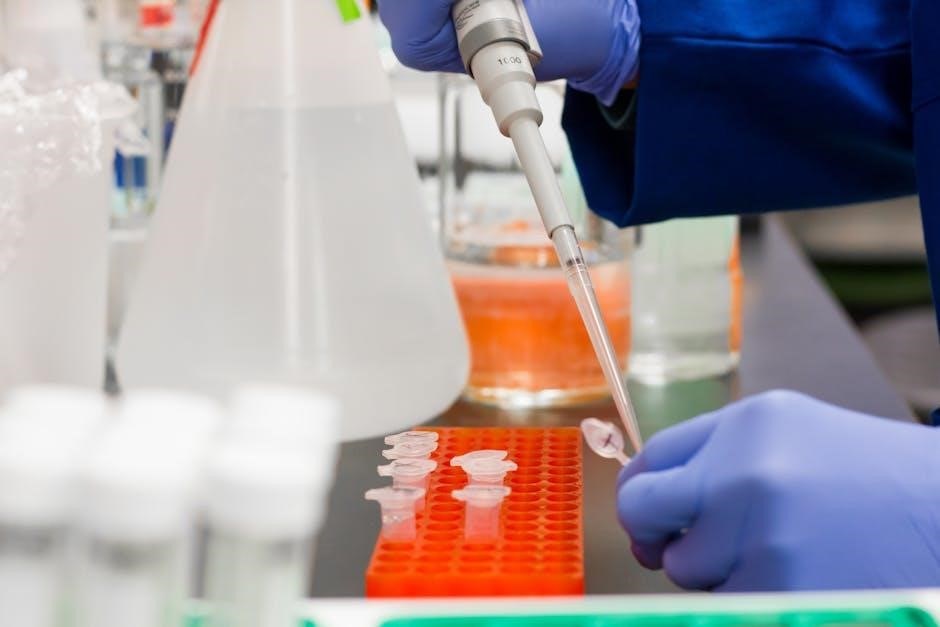
Professional development and certification are crucial for sterile processing technicians to demonstrate expertise and stay updated on industry standards․ Certifications like the Certified Sterile Processing Technician (CSPT) validate knowledge and skills, enhancing career opportunities․ Continuous education ensures adherence to evolving protocols and technologies, while professional associations provide networking and growth opportunities․
9․1․ Importance of Certification
Certification is a critical milestone for sterile processing technicians, demonstrating their mastery of essential skills and knowledge․ It validates their ability to adhere to industry standards, ensuring patient safety and infection control․ Certified technicians are more competitive in the job market and often earn higher salaries․ Certification also reflects a commitment to professionalism and continuous improvement, as it requires passing rigorous exams and staying updated on best practices․ Additionally, many employers mandate certification for employment, making it a vital step in advancing one’s career․ By obtaining certification, technicians gain credibility and confidence, reinforcing their role as indispensable members of the healthcare team․
9․2․ Continuing Education Requirements
Continuing education is essential for sterile processing technicians to maintain their expertise and stay current with evolving medical standards․ The healthcare field, particularly sterilization practices, constantly advances, necessitating ongoing learning to ensure patient safety and effective infection control․ Technicians typically must complete a certain number of continuing education hours every 1-2 years to renew their certification․ These requirements may vary by certifying organization or employer, but the goal remains consistent: to ensure up-to-date knowledge and skills․ Common formats for continuing education include workshops, online courses, seminars, and conferences, offering flexibility for technicians to fit learning into their schedules․ Topics often cover new sterilization technologies, updated infection control guidelines, and best practices for handling surgical instruments․ Engaging in continuing education not only meets professional obligations but also enhances career advancement opportunities․ Employers value technicians who are committed to lifelong learning, as it reflects their dedication to providing safe and high-quality patient care․ By staying informed about the latest developments, sterile processing technicians play a vital role in maintaining the integrity of healthcare facilities․
9․3․ Professional Associations and Networking
Professional associations play a crucial role for sterile processing technicians by providing networking opportunities, educational resources, and advocacy․ Joining organizations such as the International Association of Healthcare Central Service Materiel Management (IAHCSMM) or the Certification Board for Sterile Processing and Distribution (CBSPD) offers access to workshops, conferences, and certification programs; These associations help technicians stay updated on industry standards, best practices, and new technologies; Networking with peers and experienced professionals can lead to mentorship, job opportunities, and shared knowledge․ Engaging in these groups fosters a sense of community and supports continuous professional development․ By participating in association events and staying connected, sterile processing technicians can enhance their skills and contribute to the advancement of the field․ Additionally, these organizations often provide resources for maintaining certifications and adapting to changes in healthcare regulations․ Overall, professional associations and networking are essential for career growth and maintaining excellence in sterile processing․
Job Opportunities and Career Growth
Sterile processing technicians are in high demand across various healthcare settings, including hospitals, clinics, and surgical centers․ The role offers strong job security and opportunities for career advancement․ With experience, technicians can move into supervisory roles, specialize in specific areas like endoscope reprocessing, or transition into related fields such as infection control or healthcare management․ Additionally, there is potential to work in sterile manufacturing or medical device sales, applying their expertise in sterilization and infection prevention․
Continuing education and certifications can significantly enhance career prospects․ Many technicians choose to pursue specialized certifications, such as the Certified Sterile Processing Technician (CSPT) or the Certified Registered Central Service Technician (CRCST), to demonstrate their expertise and increase earning potential․ Networking through professional associations and staying updated on industry advancements also opens doors to leadership roles and mentorship opportunities․
Overall, the sterile processing field offers a rewarding and dynamic career path with opportunities for growth, specialization, and professional development․ As healthcare continues to evolve, the demand for skilled sterile processing technicians will remain strong, ensuring long-term career stability and fulfillment․
- Stay curious and embrace ongoing education to keep up with evolving techniques and technologies․
- Build strong communication skills to collaborate effectively with surgical teams and other healthcare professionals;
- Take pride in your work, as it directly impacts patient outcomes and the success of medical procedures․
- Adhere strictly to infection control and safety protocols to prevent errors and ensure a safe environment․
- Seek mentorship and feedback to continually improve your skills and professional growth․

By following these tips and staying dedicated to your craft, you will not only excel as a sterile processing technician but also contribute meaningfully to the healthcare system․ Remember, your role is vital to saving lives and ensuring safe patient care․

Additional Resources for Further Study
To further enhance your knowledge and skills as a sterile processing technician, there are numerous resources available that can provide in-depth information and practical insights․ Professional associations, such as the International Association of Healthcare Central Service Materiel Management (IAHCSMM) and the Certification Board for Sterile Processing and Distribution (CBSPD), offer valuable resources, including study guides, webinars, and certification preparation materials․
- Online Courses: Platforms like Coursera, Udemy, and LinkedIn Learning provide courses on sterile processing, infection control, and medical instrumentation․
- Textbooks: “Sterile Processing Technician: Principles and Practices” and “Central Service Technical Manual” are highly recommended for comprehensive understanding․
- Practice Exams: Utilize online practice exams to assess your knowledge and identify areas for improvement․
- Industry Journals: Subscribe to journals like the Journal of Infection Prevention and Healthcare Purchasing News for updates on best practices․
- Video Tutorials: Websites like YouTube and instructional medical websites offer visual demonstrations of sterilization techniques and instrument identification․
These resources will help you deepen your understanding of sterile processing and stay current with industry standards․ Continuous learning is key to excelling in this field and providing safe, effective patient care․